Category: News


Rewinding on 2025

By Bruizer Film & Video,

We’re rewinding on 2025, and what a year it was! We met new clients, finished feature films and celebrated life milestones in our internal team.  

So, as another year begins, let’s recap on the last twelve months of Bruizer… 

January  

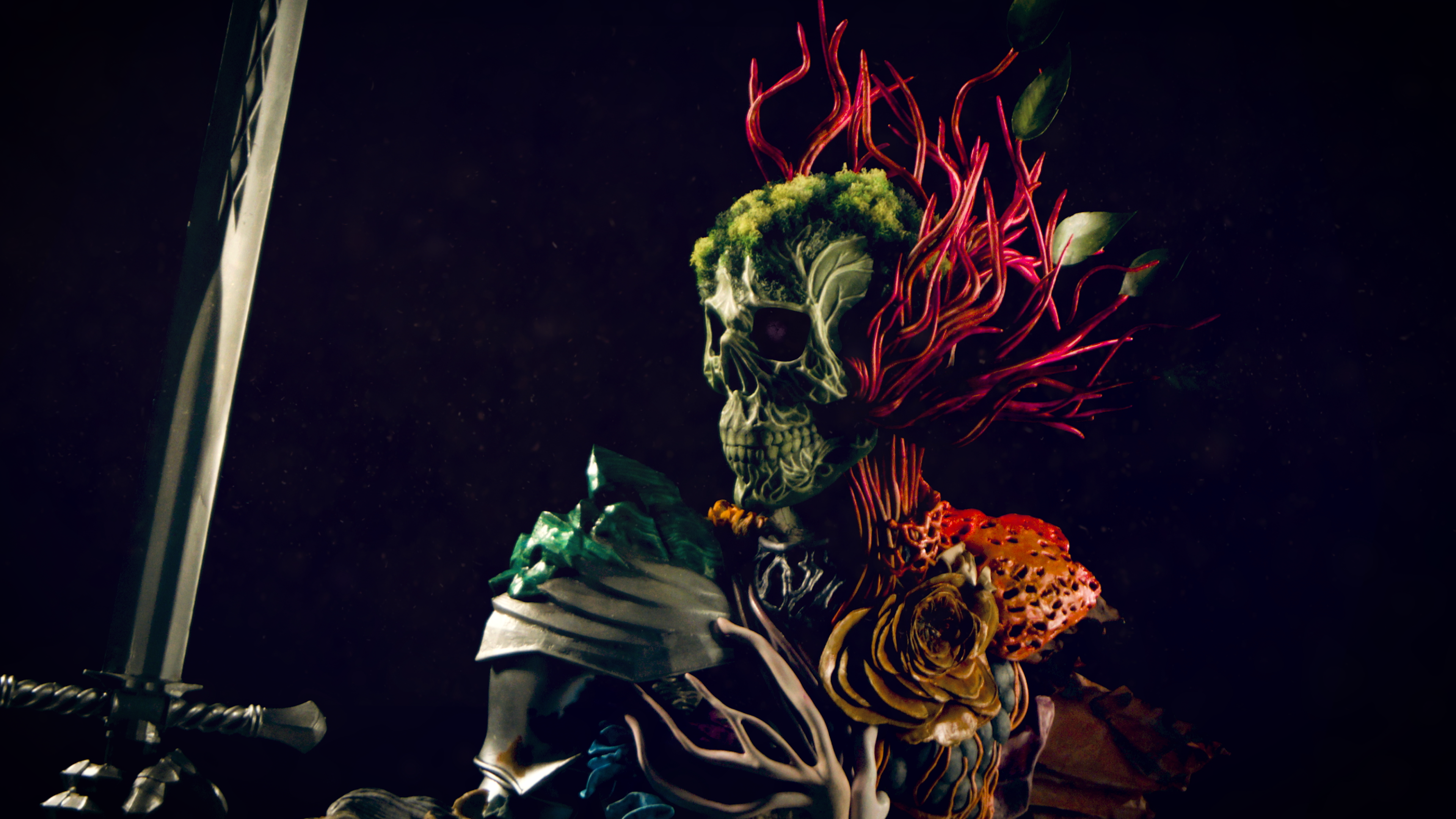
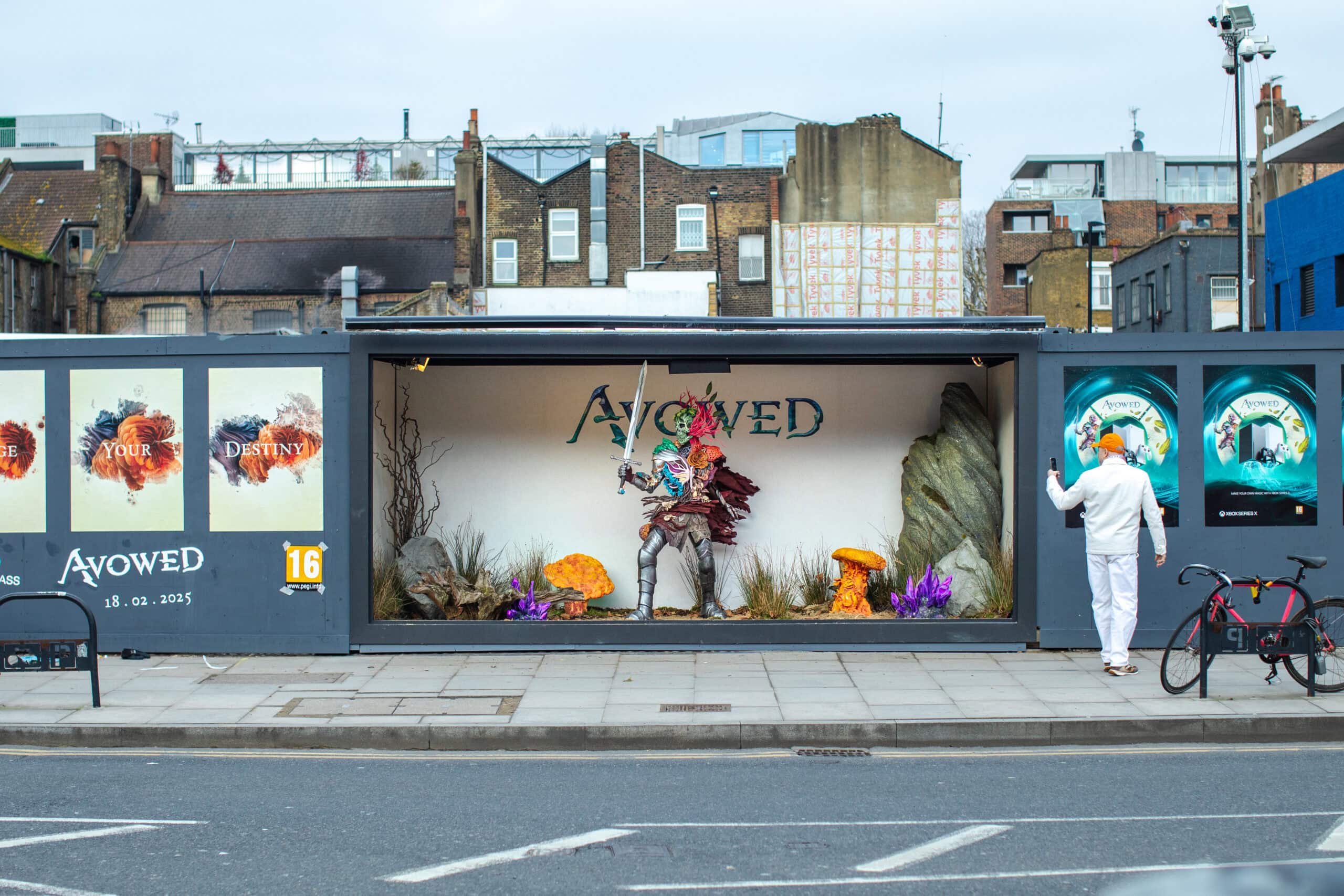
New year and new beginnings. We were on-theme meeting marketing consultancy firm Edelman through an exciting project for The Avowed video game launch. Helping bring the Dream Scourge to life as part of a live art installation in Shoreditch, we were commissioned to create the promotional video for the event.

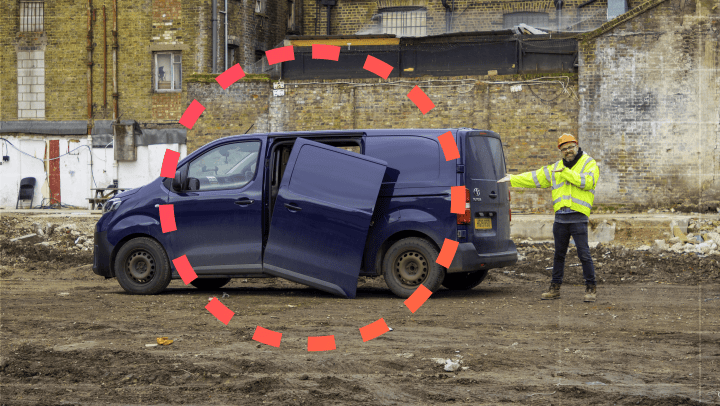
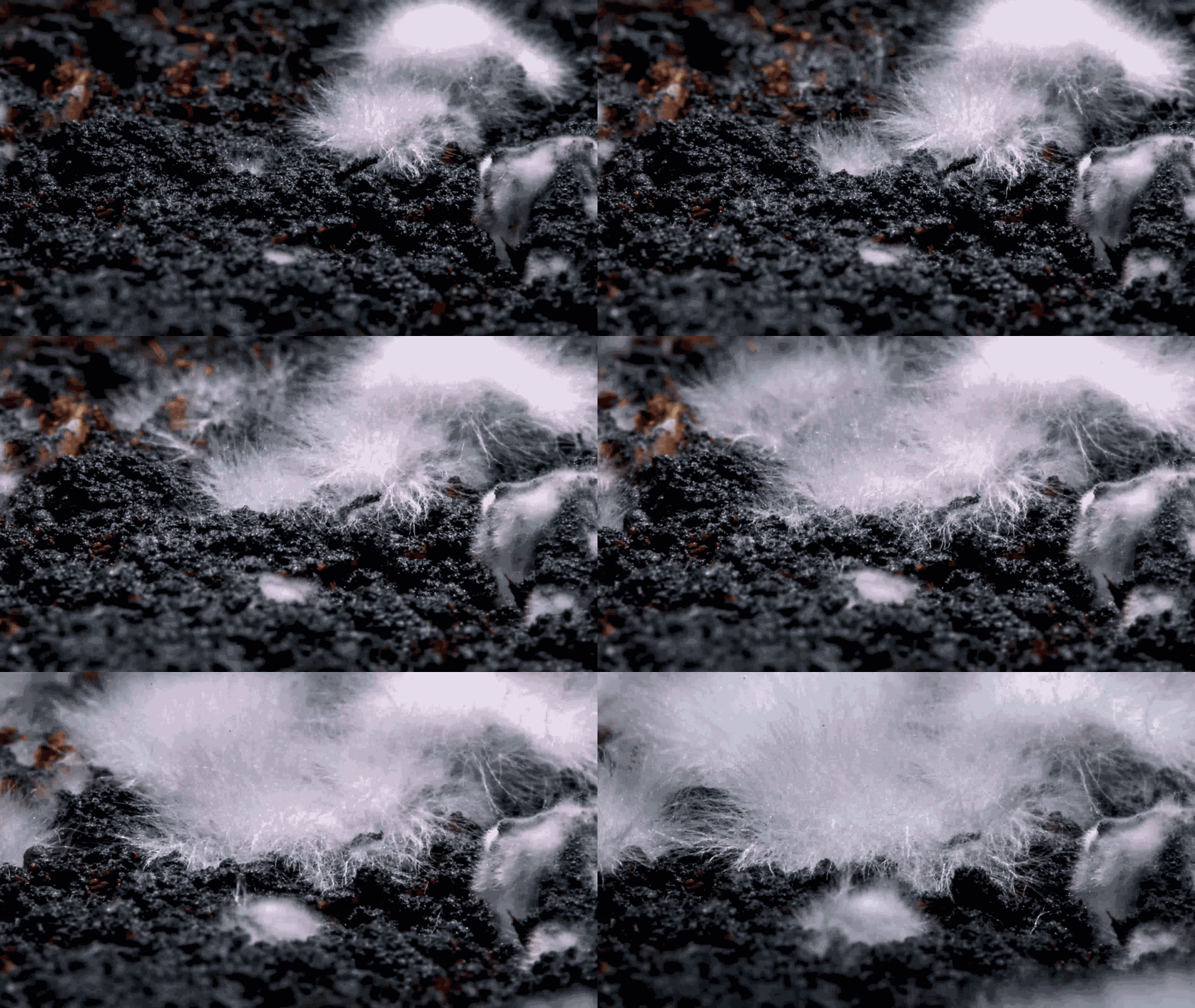
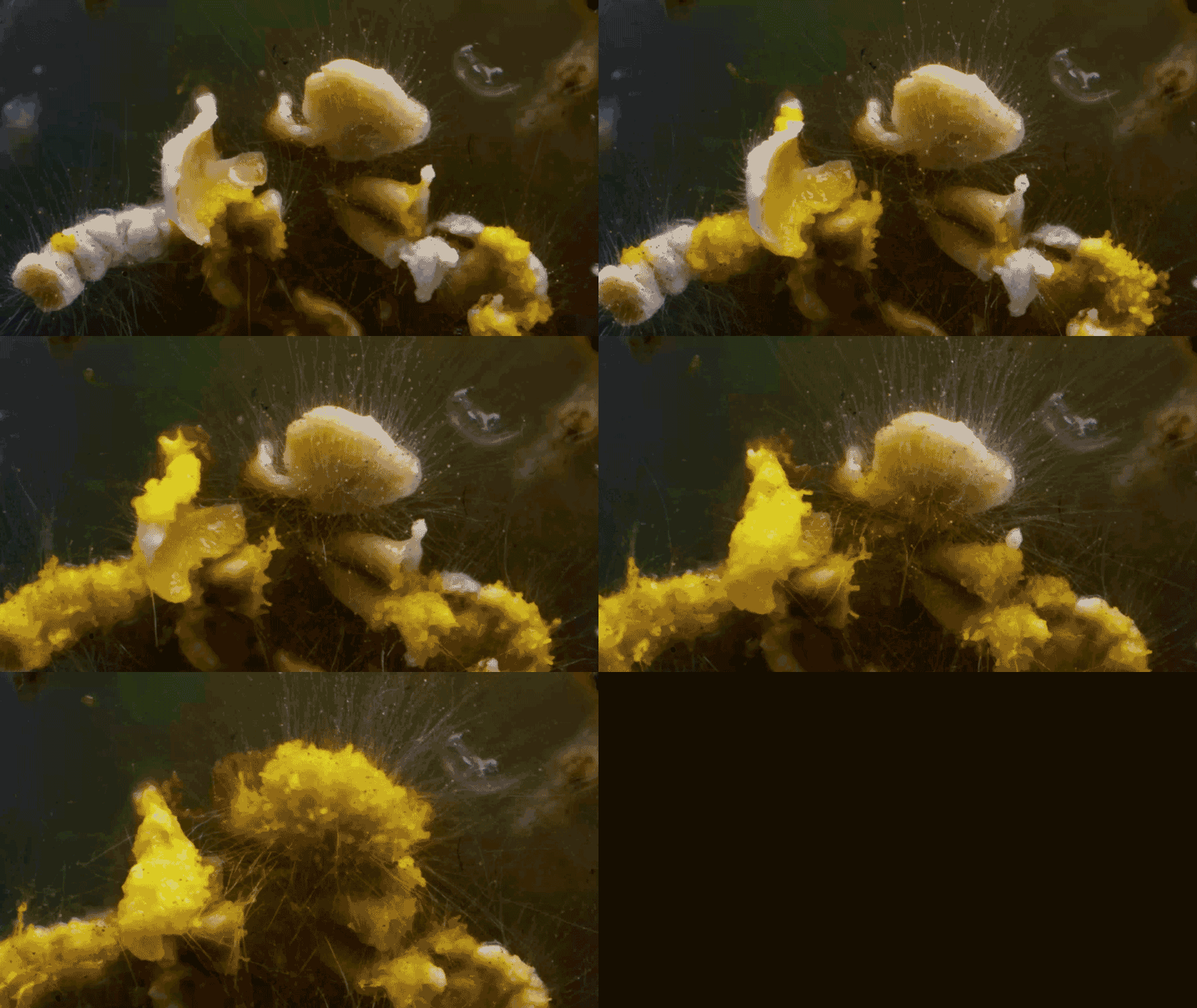
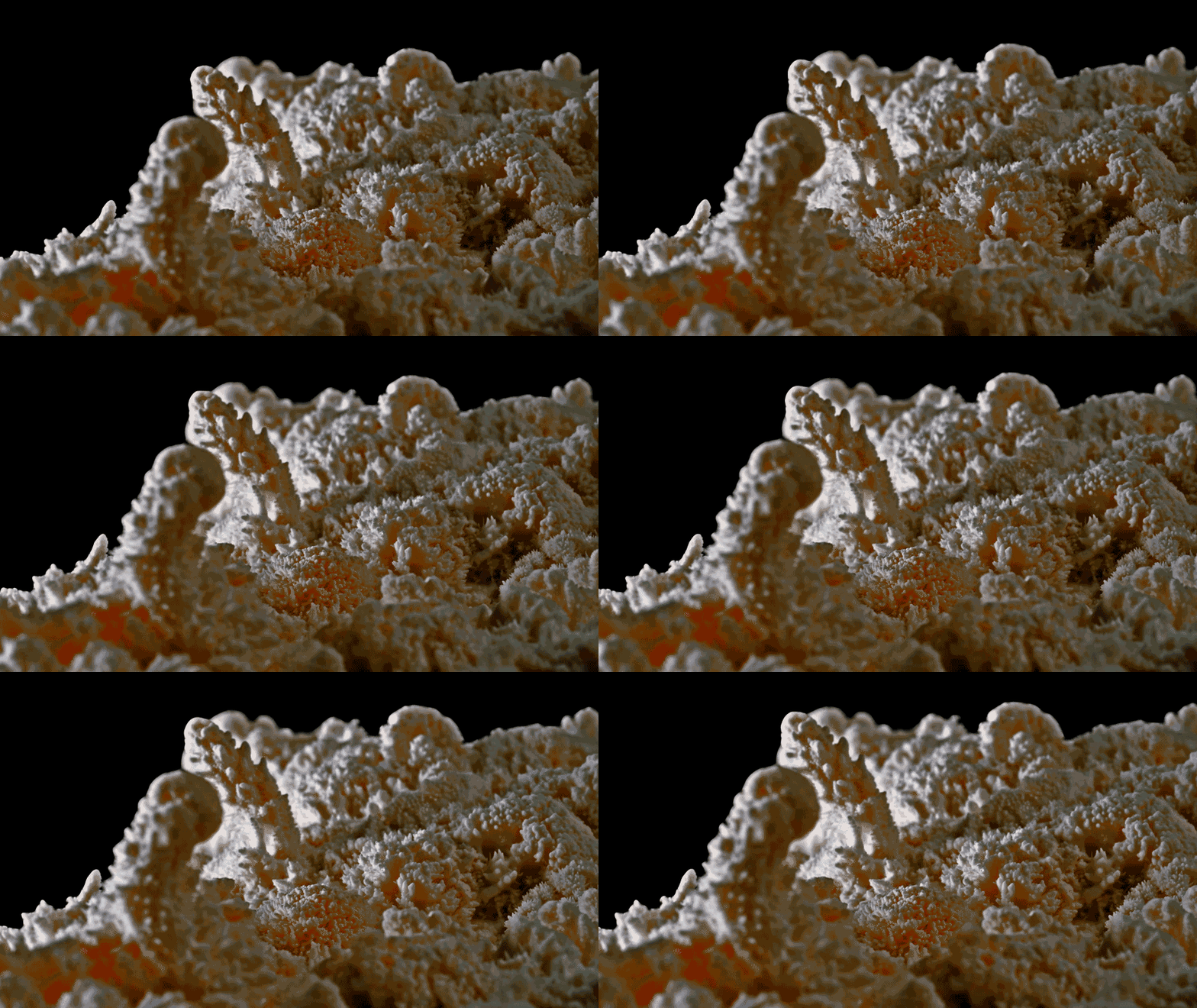
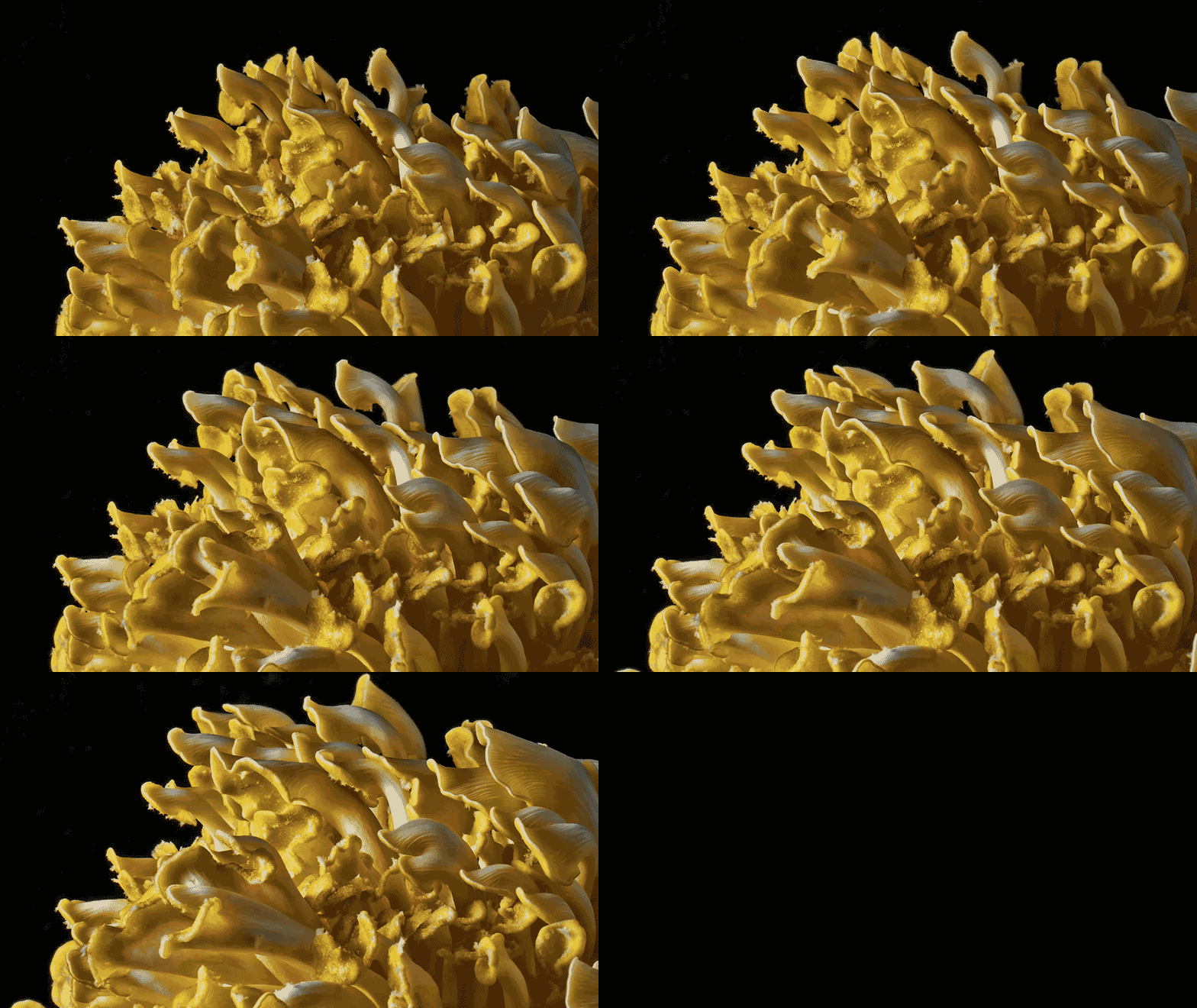
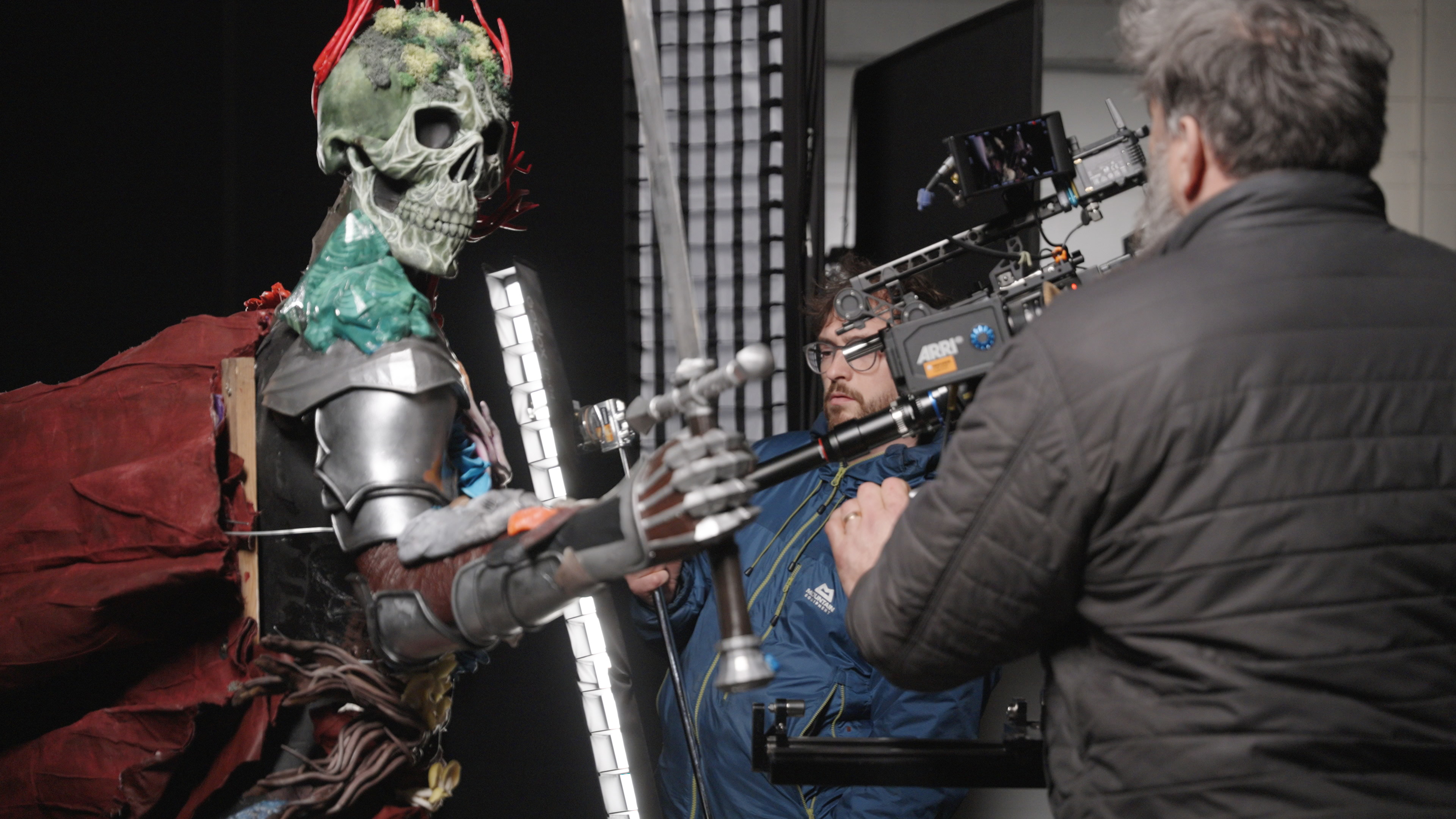
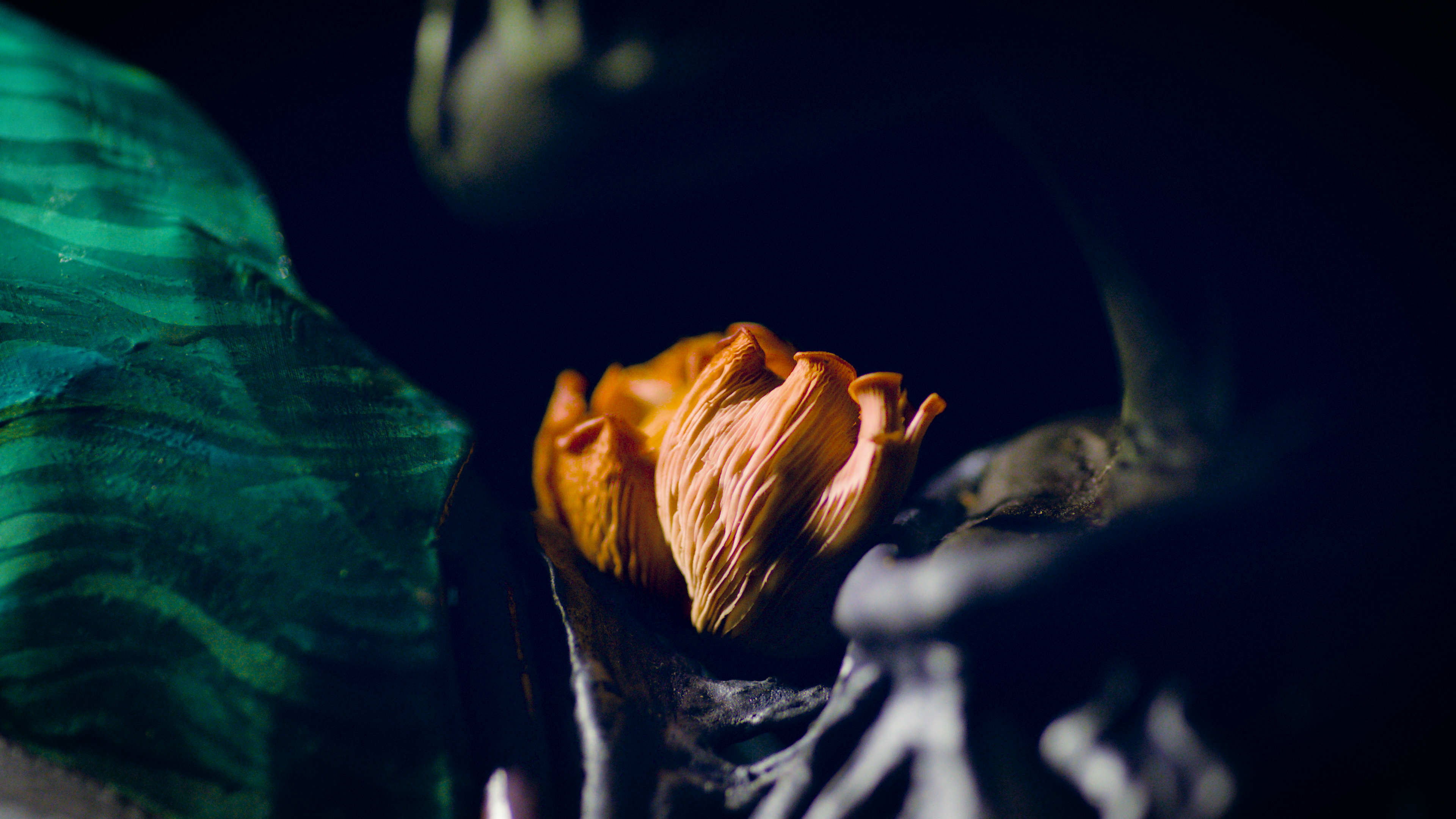
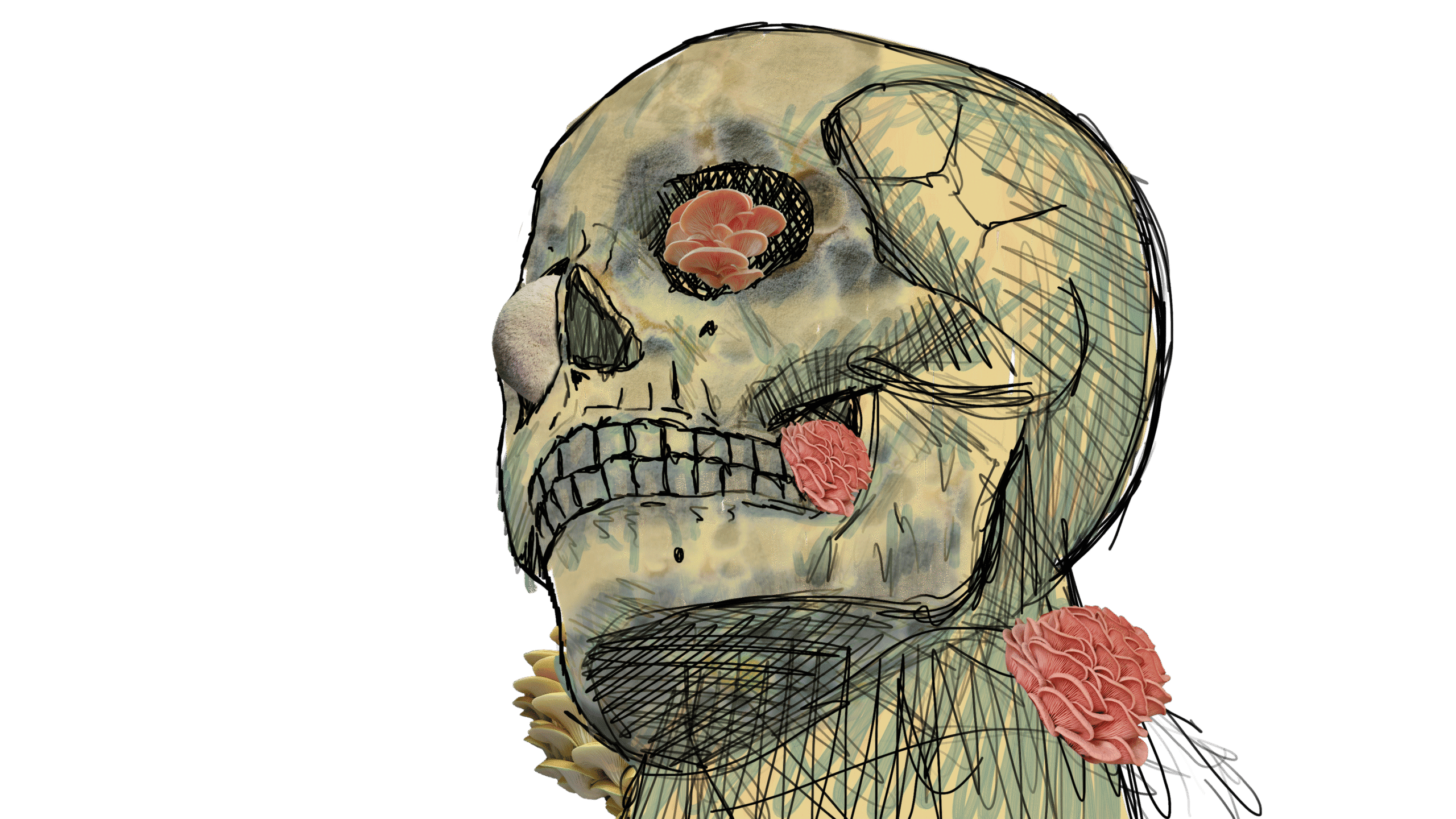
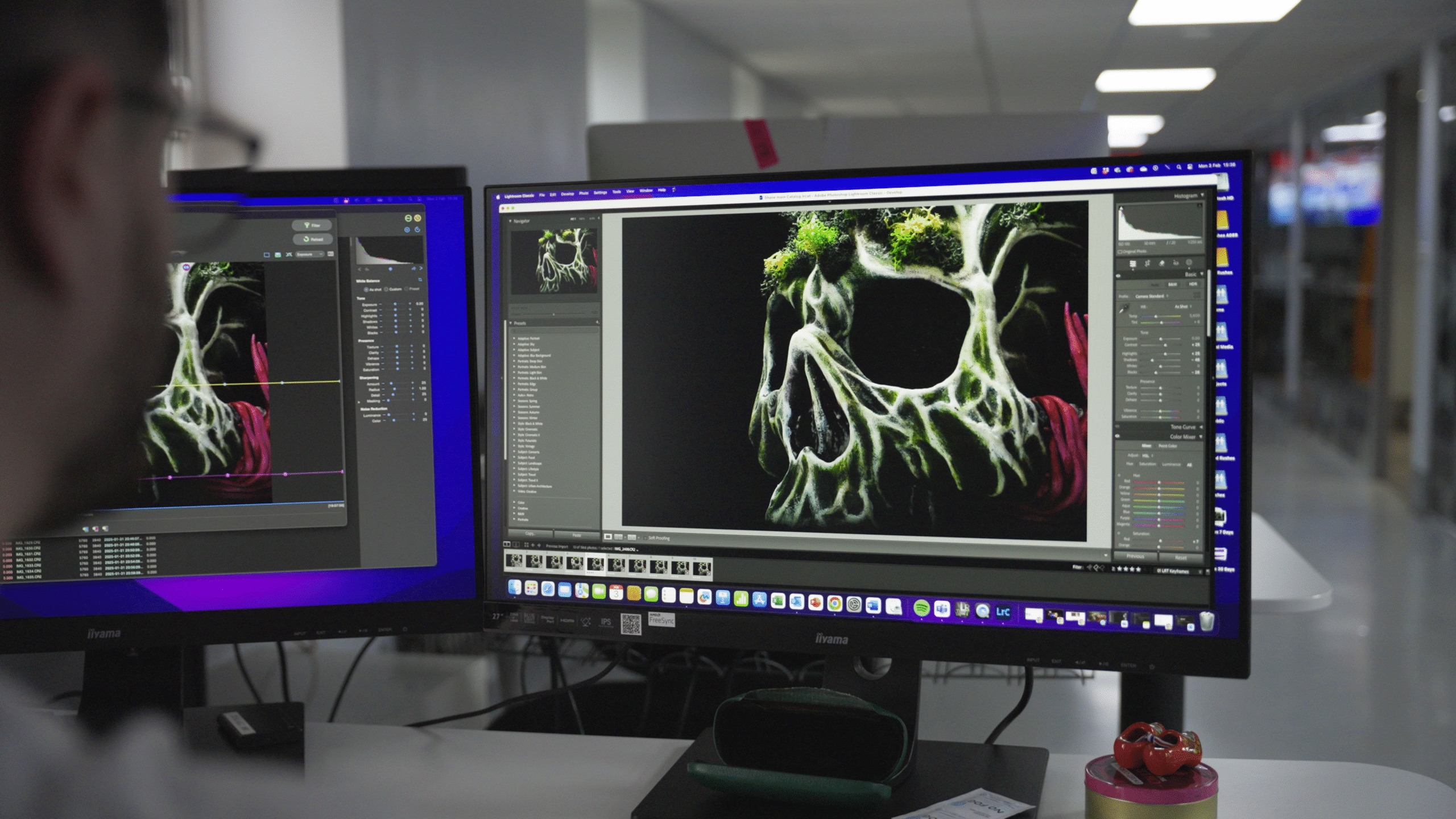
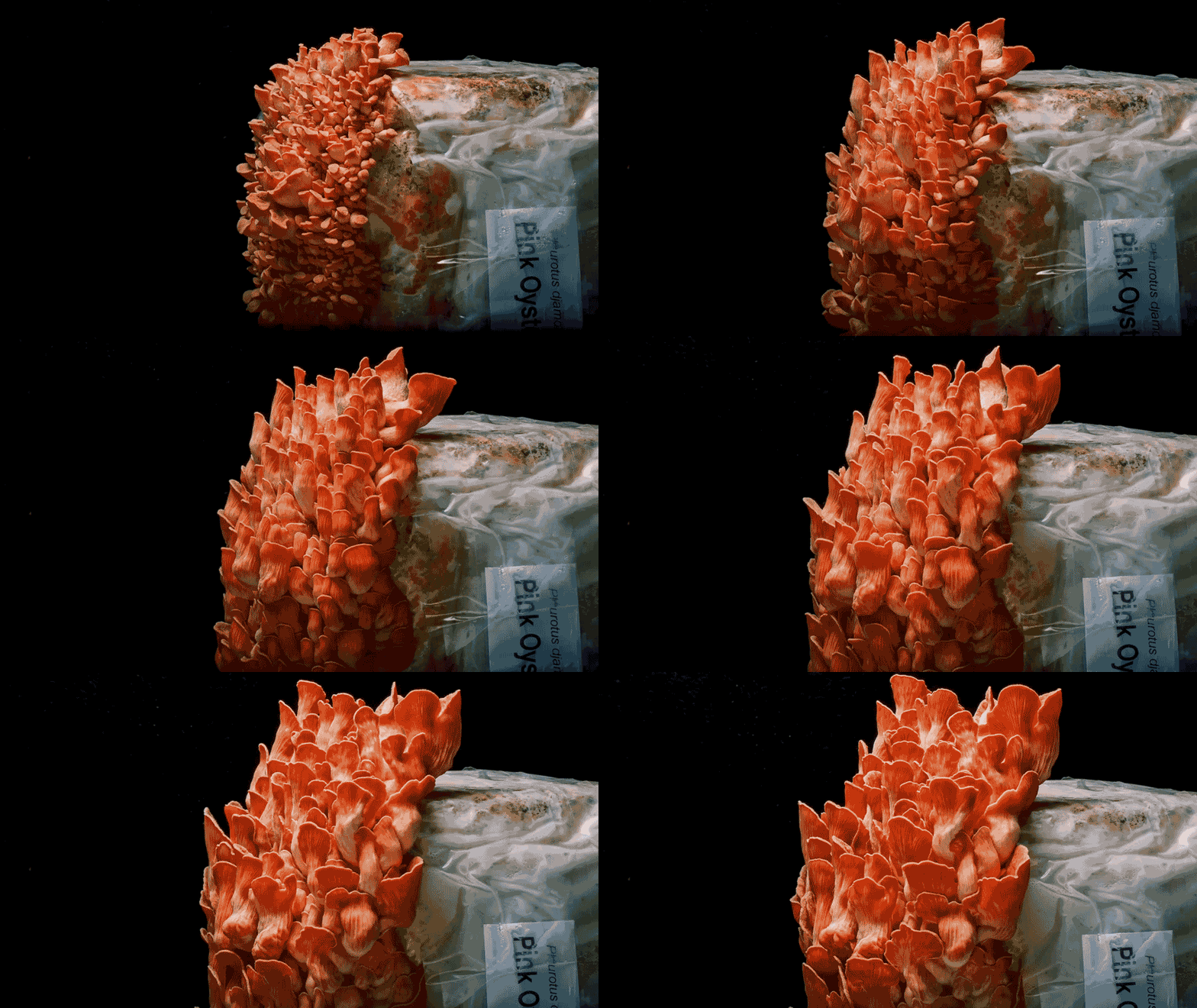
Our studio was transformed into a custom growing space, where we nurtured all manner of mould and fungi across the limbs of a 7-foot character statue. It was a project that brought trials, triumphs and cost us a van door… but all resulted in a striking final film that’s both eerie and entrancing.  
Febuary   

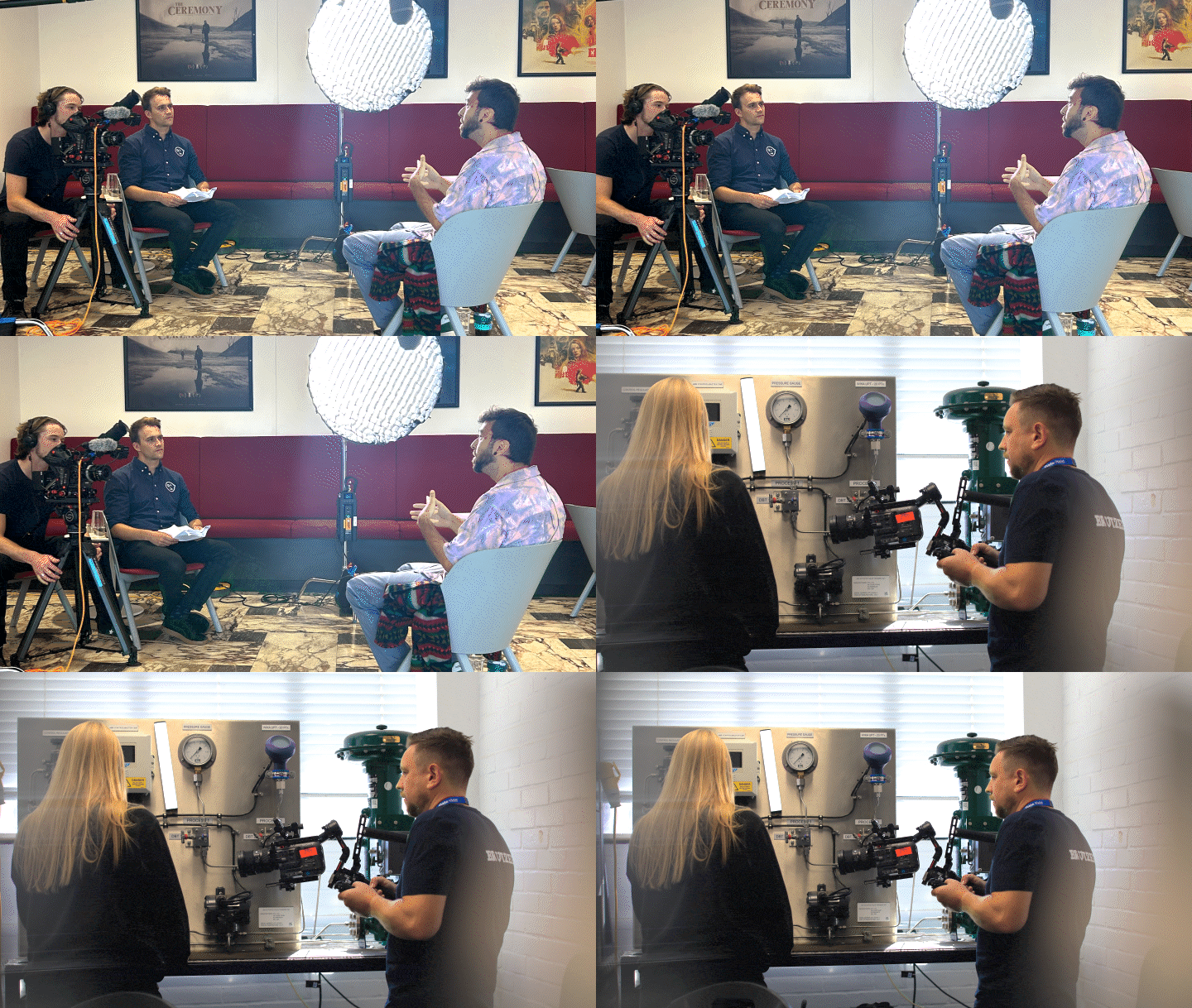
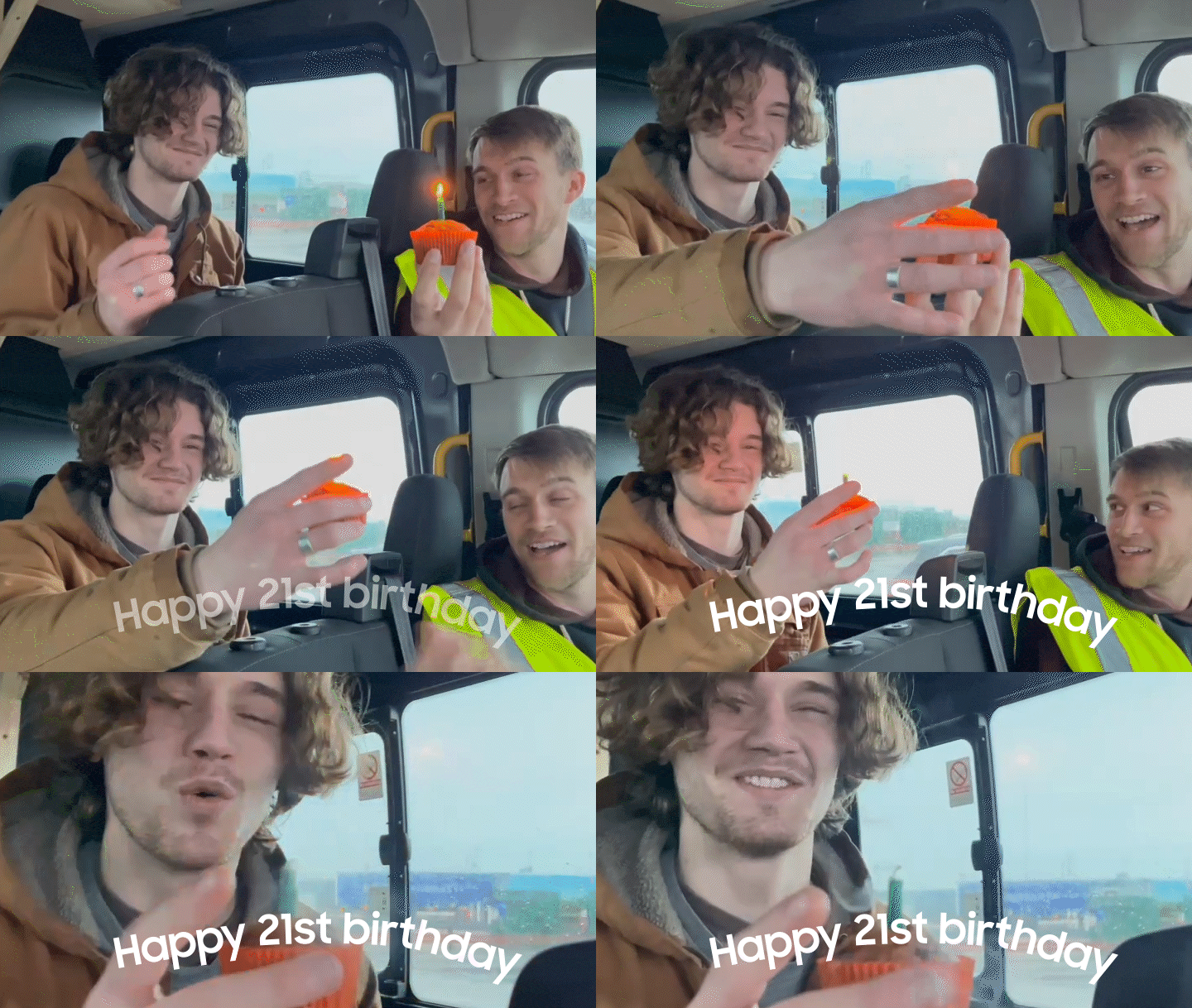
Our first foreign travel of the year took four of our team to The Hague (including cam op Will who celebrated his 21st birthday on route to the Netherlands!) AVEVA IGNITE 2025 was a 5-day event, hosting over 1700 attendees across 24 venues, with our highlights team capturing it all. 

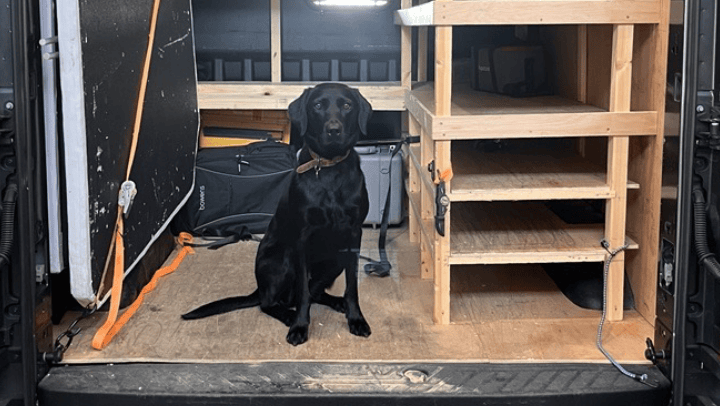
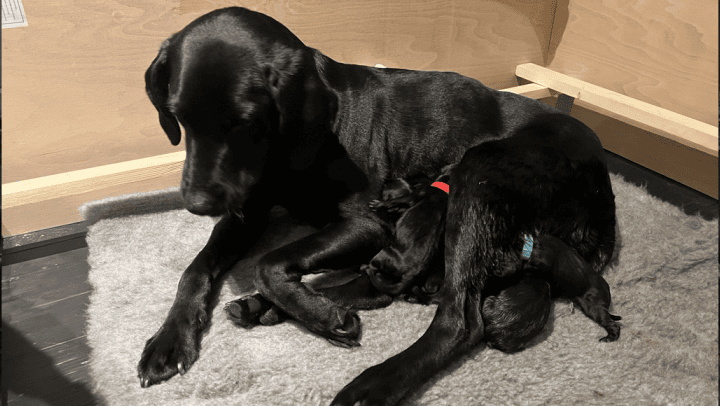
Meanwhile in Suffolk, it was a wrap on feature film Black Noise, finishing off with pick-ups in the Bruizer studio. We also welcomed Quiggly Wangford, a new member to Bruizer’s four-legged contingent.   
March  

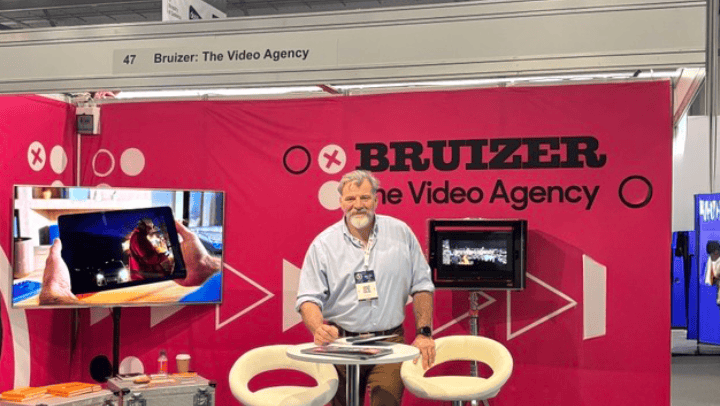
March saw something completely new for Bruizer, with our first visit to the DPRTE trade show. Extensive preparation made sure we were looking and feeling our best for the two-day event, with a new purpose-built stand to help us stand out from the crowd!
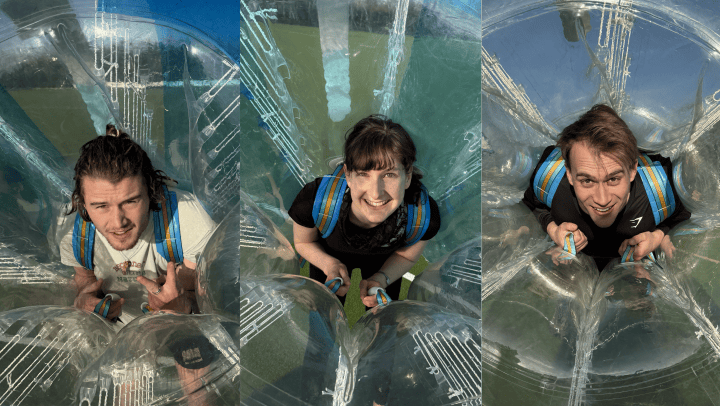
We also completed our first milestone project with the Civil Works Alliance, with three construction giants coming together to commit to the Sizewell C project. Amongst all that, we still found time to let off some steam with our first Bruizer social of the year, going head-to-head (literally!) in a football zorbing match. 
April  

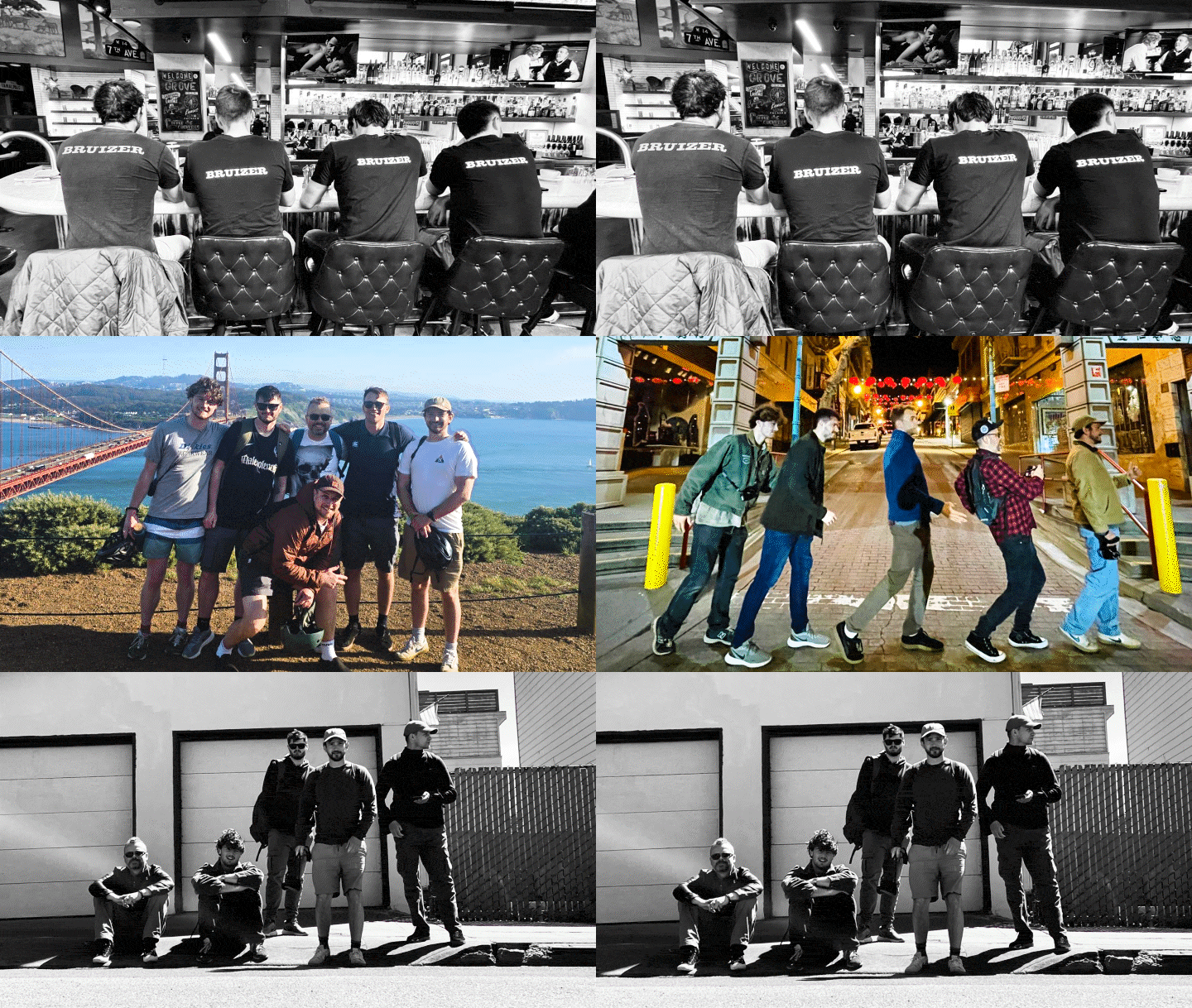
We welcomed Spring by jetting off to San Francisco for the AVEVA World conference, sending a 6-man crew to cover event highlights, capture case studies and provide continual on-site editing support. At the same time on the other side of the world, our Head of Production, Kate, was tying the knot in beautiful South Africa with family and friends flying in from around the world to share the couple’s special day.  
May  

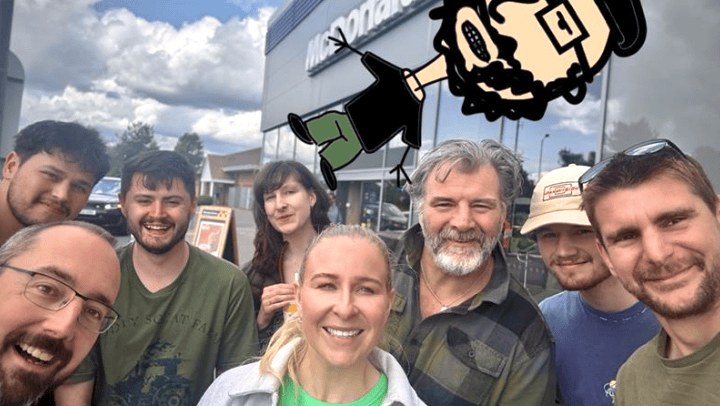
Kate’s return at the beginning of May gave us a perfect excuse for an impromptu trip to McDonalds, all piling into the Bruizer van on Friday lunchtime. 

We had another opportunity to work with the NHS, devising a simple and impactful creative for their Race Implementation Plan campaign. The following week, we embarked on a heart-warming project for Harwich Haven Authority, filming with Harwich Beach School and their class of budding ecologists.
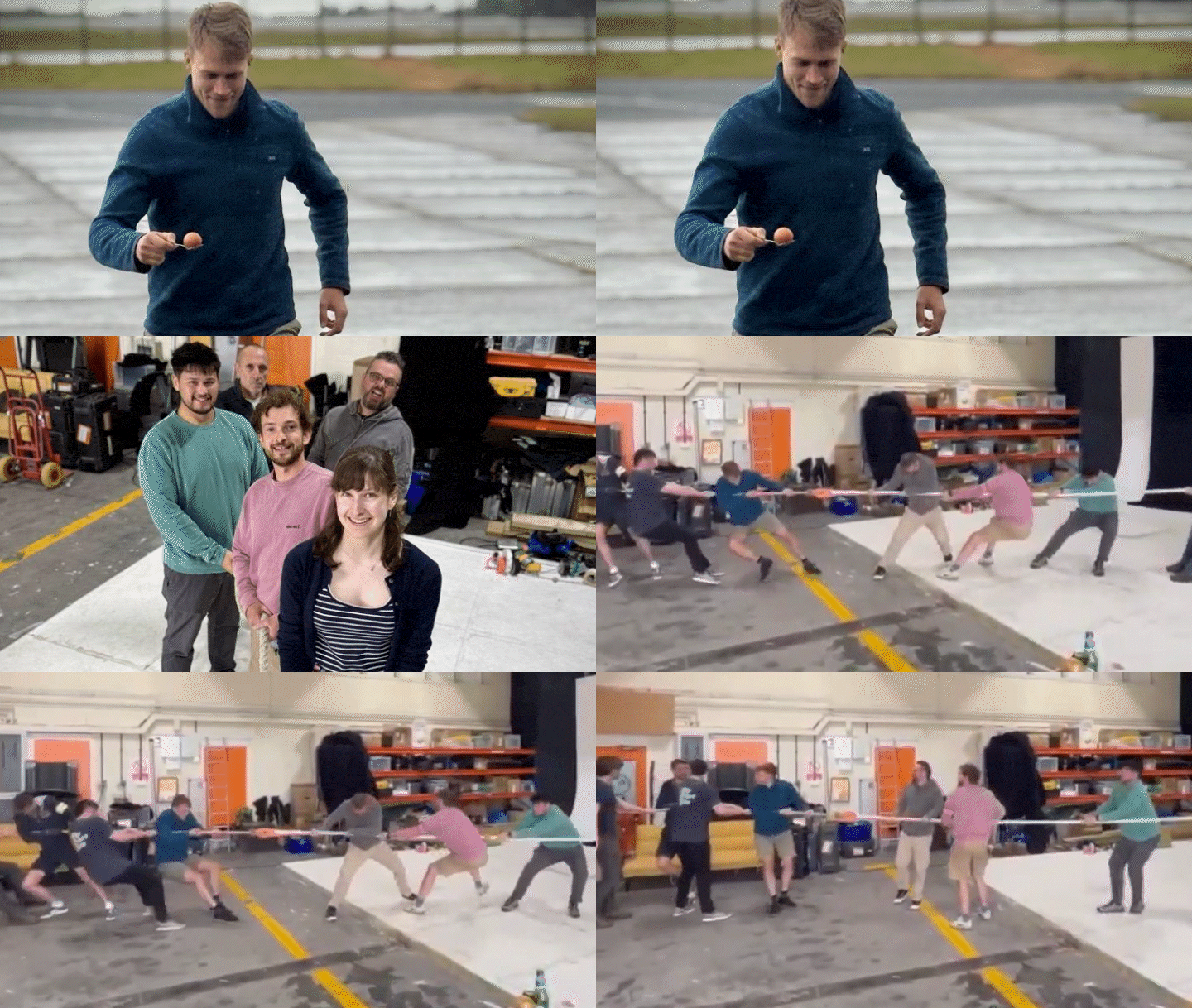
We bookended the month with another highly competitive Bruizer social. An egg and spoon race, tug-of-war and darts sorted the wheat from the chaff. 
June   

Summer was in full swing when Harwich Haven Authority commissioned their next film. We launched the Bruizer RIB (with some help from the police…long story) to get on the water with the Fisherman of Harwich and tell the multi-generational story of those working off Suffolk’s shores.

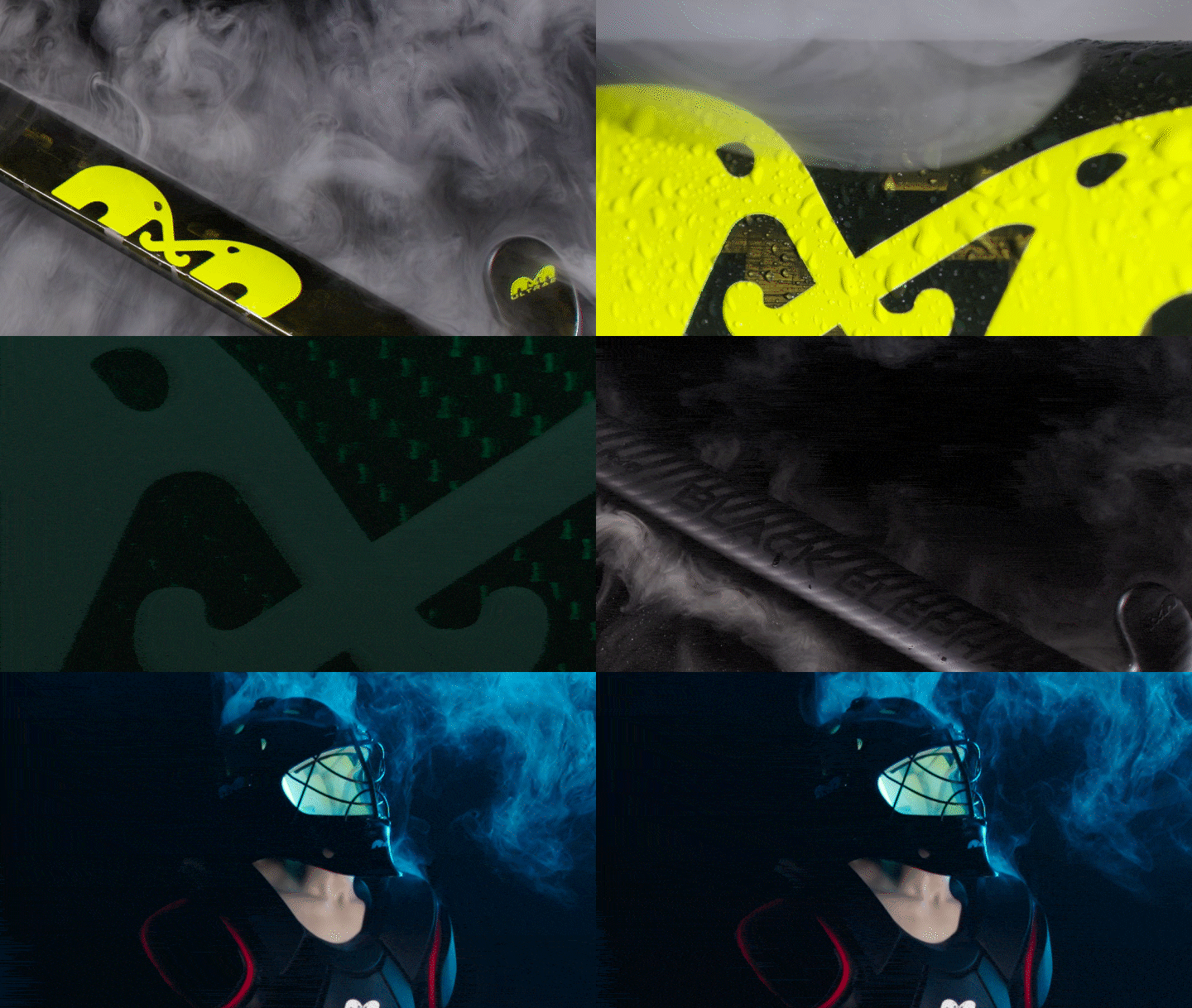
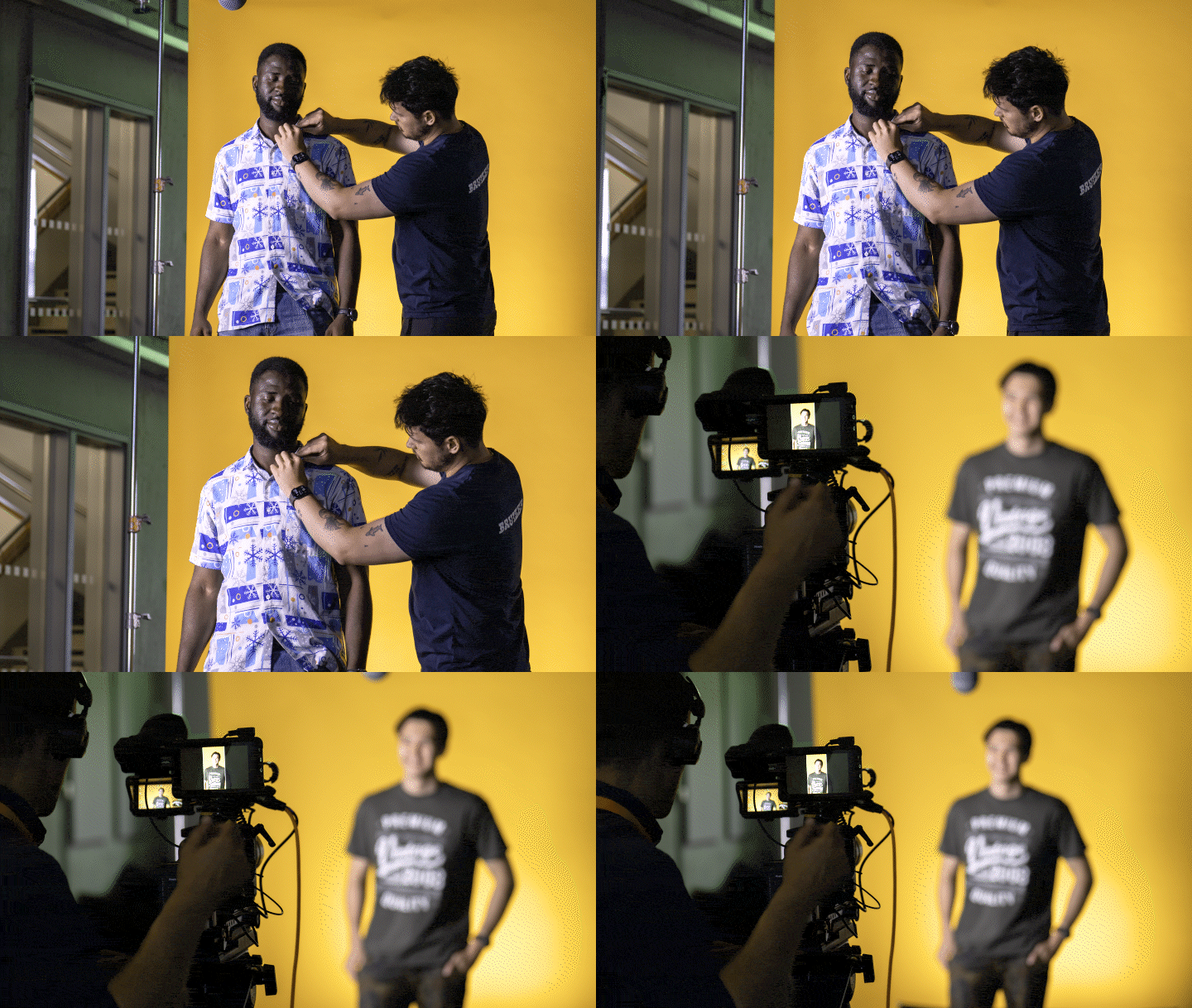
It was a rare treat to have enjoy such local filming, also getting out and about with Orwell Park School and University of Suffolk through the hot weather. Luckily, there was some time to cool off in the studio too, collaborating with TK Hockey to create some stellar social content for their new product ranges. 
July   

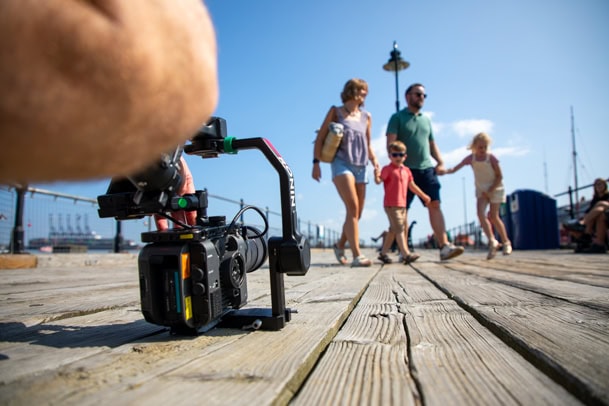
Holiday season saw in our first project with new client, Harwich Harbour Ferry. We made the most of the bustling summer holiday trade and fine weather to capture content for their brand film. We also stretched our legs to London and Stevenage, to tick off some internal comms content for clients 
Otherwise, we made the most of our quieter month with some training days and ensured all our in-house kit was spick and span. And to celebrate the birthday of new crew member Jake, we were treated to a Thai feast – unanimously voted the best lunch ever eaten at Bruizer!   

August  

This is where things really got busy.

Preparing for trade show season, we worked with AWE to capture stills content that would promote employment opportunities to ex-military personnel. Two photography days requiring great attention to detail in pre-production to sort the correct military kit, book locations and models.

As well as ticking over open projects, post-production were absorbed by storyboards and animatics, preparing for Buster TV adverts, filmed with Challs at the end of the month. And while all this was going on, we had crew in Bradford filming for The National Lottery, as part of their City of Culture celebration.  

September    

We filmed 19 days of 22, often with at least two crews out at the same time. Our travel escapades for the month started in Scotland, followed by Cologne in Germany, then over to the Algarve for a sunny few days in Portugal at BMI’s first international Pyramid Awards.
Closer to home, we worked closely with Bosch to capture content ready for their various upcoming product launches. All the while, our editors worked full-steam to keep everything moving in post-production.  

October     

Easing up a little in October – phew! – a handful of the Bruizer team were kept busy buying and selling houses, including Simon and Shane who have both started on the long road of DIY in their first homes.
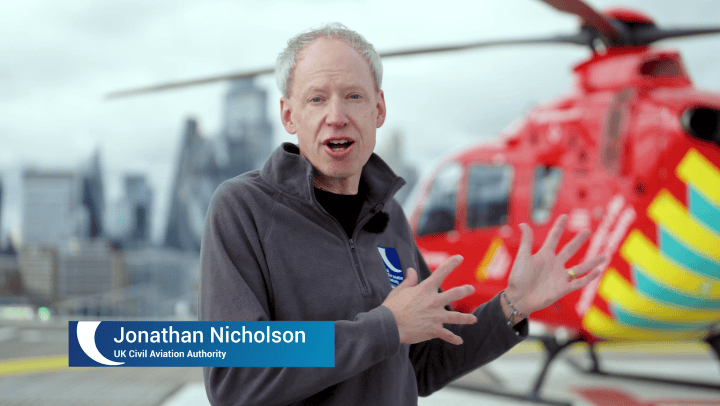
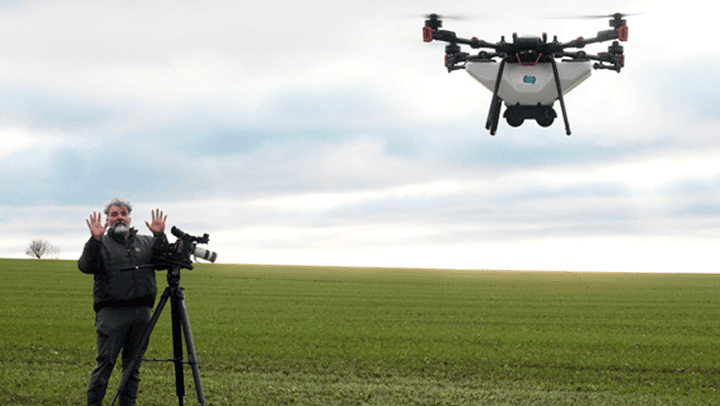
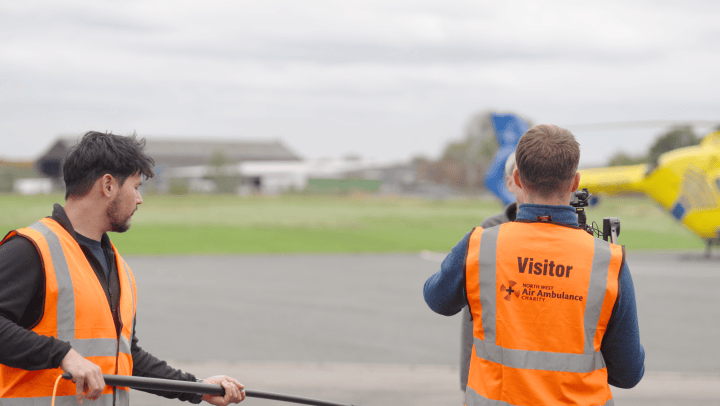
We reunited with the CAA for a couple of days, working alongside the Air Ambulance teams in the North West and London to create short informational edits for drone pilots. 
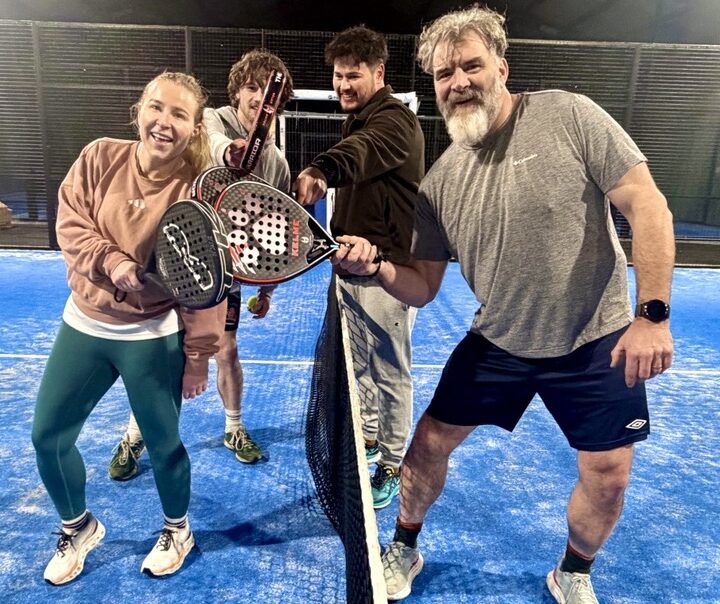
Taking the opportunity for some well-earned R&R, we hit the padel courts to try our hand. A new sport for some, with mixed results.   
November       

Another busy surge arrived in November, with several projects falling together for De Sangosse, M Group, Bovis and British Gas Energy Trust.  

The last of these projects saw two of our crew travelling England, Scotland and Wales to visit five charities on the frontline of Britain’s energy crisis.
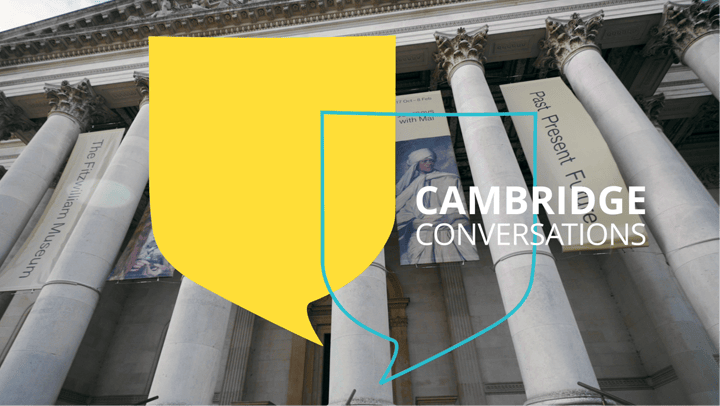
November also saw the completion of a documentary edit, going behind the scenes of the Fitzwilliam Museum’s ‘Made in Ancient Egypt’ exhibition. In conjunction with University of Cambridge, the 15-minute film was incorporated into a fascinating webinar, giving alumni the opportunity to pose questions to a panel of experts.  
December        

We rounded off the year with AVEVA’s fourth annual live event, broadcast to employees around the world. Celebrating the achievements of their standout employees, we devised the award show that welcomed a studio audience of over 100 nominees to the Frankfurt office.
Returning from Germany, the crew threw themselves into various rail qualifications and courses, readying for our first filming day with Barhale. The civil engineering company completed the first major milestone on Christmas day, the early stages of a decade long project to restore London sewer system. 

But before all that, we had a chance to unwind at Bruizer’s own Christmas celebration: dinner and show with the Wolsey Theatre’s rock n’ roll pantomime. 
2026 has a tough act to follow, but we’re looking forward to another amazing year. Wishing all our clients – past, present and yet to come – a great start to 2026. We’re looking forward to working with you again soon! 

Why Have a Brand Film

By Bruizer Film & Video,

Sometimes you’ve got to ask yourself the right questions to get a brilliant answer. Time to think like Bruizer and further the thought-process on that brand film you’ve been debating…

It’s a good question – why have a brand film? A strong brand film can help define a company: where you’ve come from, what you do, and where you’re going. The past, present and future of your business identity, packaged in stunning pictures.

On the fence? Time to ask yourself some key questions and get the creative juices flowing…

What is a brand film?

Alright bear with us, we know it seems like an obvious one. But even for the most experienced of us, it’s tempting to leap into the creative and get carried away with cinematic potential and Oscar-winning ambition. However, the first and crucial step of the journey really is that simple and shouldn’t be overlooked. Ask the question, what does ‘brand film’ mean to you?

Quite simply, a brand film is you in moving pictures. So, what does your company boil down to? What makes you tick? Perhaps you’re the voices of your employees, or a captivating manufacturing process, or an innovative vision for the future. A stand-out brand film has the ability to epitomise your character and story, bringing together distinctive branding elements and appeal directly to your primary target market, be it consumers, suppliers, or potential recruits.

Knowing and understanding what you’re trying to do from the outset and who you’re communicating with will ensure the video works hard for you and in the most seamless way. Think duck: gliding on a visually stunning surface, while relentlessly driving your message underneath. As such, developing a clear vision at the creative stage is crucial (easy with a Bruizer helping hand). It all begins with your top line brief so getting that right is key

Where will my brand film be shown and how can I ensure it’ll be visible?

Once you know who you want to speak to, time to think about where it’s going. Where will your brand film be seen? Does it need to compete with a crowd, or will it be given dedicated space to breathe and entice audiences?

We exist in a culture of short attention-spans so it’s important that your brand film takes account of its surroundings and draws on a creative that will maximise its opportunities in that space. If you’re frequently at in-person events, you may need visuals that steal the show, whether you’re watching to the end or only seeing it for a split-second.

Perhaps your brand film will form part of an induction or have a dedicated page on your website to allow viewers to appreciate the story in full, with opportunity to craft a whole narrative arc, utilise distinctive voiceovers or characters, and construct a satisfying pay-off.

What’s the first impression?

In this digital age, a brand film might be the first look a prospective client has and will use it to gain understanding of your brand. Video is a way to make yourself easily accessible to first impressions and craft these, making yourself familiar to a new or existing audience.

If your company is very costumer-facing, it can’t be underestimated what a difference it makes to see the real faces, so treating the client to a preview of who they’ll be working with, and the standard they can expect, can go a long way to making them feel comfortable. Or if you’re manufacturing product, an in-depth look behind the scenes at your process can speak to your quality and expertise, like this milestone brand film for Maldon Salt.

Atmospheric and artful, this cinema-standard brand film parallels the devotion that Maldon Salt show in their production process. Utilising heritage techniques for their signature rustic taste, their one-hundred-and-forty year history is beautifully rendered through archive and modern day filming, demonstrating Maldon Salt as a brand steeped in experience and dedication.

What’s the takeaway?

Some of the best brand films are successful because they become synonymous with the company identity and bring it to life. Video allows you to appeal to a wide range of human emotions and create something that’ll stick in the mind. Laughing, crying, inspired – you should be looking to illicit an emotive response in the viewer to know you’ve got an idea that’s memorable and will serve you well.

Utilising visual storytelling, the final film can experiment with mesmerising new techniques, use earworms you can’t dislodge, or capture the heartfelt, emotive elements that stay with the viewer long after watching.

Creating a lasting impact on your audience, with strong visual motifs or an emotional connection, will fix you in their subconscious so next time they need someone like you, you’re on the tip of their tongue.

How will a brand film convey my message?

Not just pretty pictures, video is an integral tool for communication. The beauty is that it’s also one of the most diverse methods available. Subliminal or direct, video content can deliver your key message with just the right amount of nuance but no less oomph. Maybe you’re unparalleled in your field and want to shout about it (I mean, why wouldn’t you?) so a show-stopping approach singing your praises, with real life testimonials, or a record-breaking challenge demonstrating your strengths, might be aptly on the nose.

Alternatively, you might be a quieter or complex character more inclined to subtle messaging. Video allows you to lean into metaphor, showing your message without forcing it on the audience. Show clients you care with demonstrative narratives and visual cues, such as keeping characters protected from the rain or extending each other a helping hand.

And all goes without saying the endless methods of incorporating brand colours, fonts and iconography to ensure your identity is at the forefront, from keeping your logos large and central, right down to the bright purple rug in your main character’s living room – everything can tie back to who you are and leave your audience in no doubt who they’re dealing with.

I’ve already got a marketing strategy – do I need a brand film as well?

Yes! A brand film shows investment in your marketing approach, that you value your image and are looking to connect with people through diversified forms of media. A brand film will help maximise your outreach, broadening accessibility and distributing your message most widely.

Not only is does it give the impression of investment, but it genuinely is a solid one. A good brand film is a long-term asset that can sit alongside your company for years. And as well as the initial flagship use, the footage offers innumerable options for repurposing. Maybe it starts as a long-form presentation film, becoming a two-minute website edit, silent video wall, social cut downs, email banners and more.

With a stellar brand film, you’re not just getting one film; you’re creating something that can potentially support your entire strategy and spearhead a cohesive marketing campaign that spotlights your identity, elevates your company, and achieves it in a way that lasts. It’s the gift that keeps on giving.

Still asking yourself that same question – why have a brand film? The real question is, why not?

Grow Big or Go Home

By Bruizer Film & Video,

Recently we were privileged to collaborate with other great creative minds, working for Edelman to produce an edit that would accompany the launch of The Avowed video game.

Testing our time-management, reactivity and even our green-fingers, we were thrilled to be involved with this one-of-a-kind project. Now see the fruit – or perhaps fungi – of our labours, with an insight into the process…

The Brief

Looking towards the launch of The Avowed video game, we were commissioned by Edelman to produce an edit that would build hype around the release date. Prioritising 9:16, the video needed to stand out on socials and draw viewers in, working to a creative concept that would both unsettle and excite audiences. Aligning with the game going live, the project had a hard deadline and it was only a month away… so we got cracking.

The Concept

On a kick-off call, we walked through the developed brief with Edelman to absorb their vision. Taking inspiration from the game itself, the creative stemmed from ‘Dream Scourge,’ which is core to the narrative.

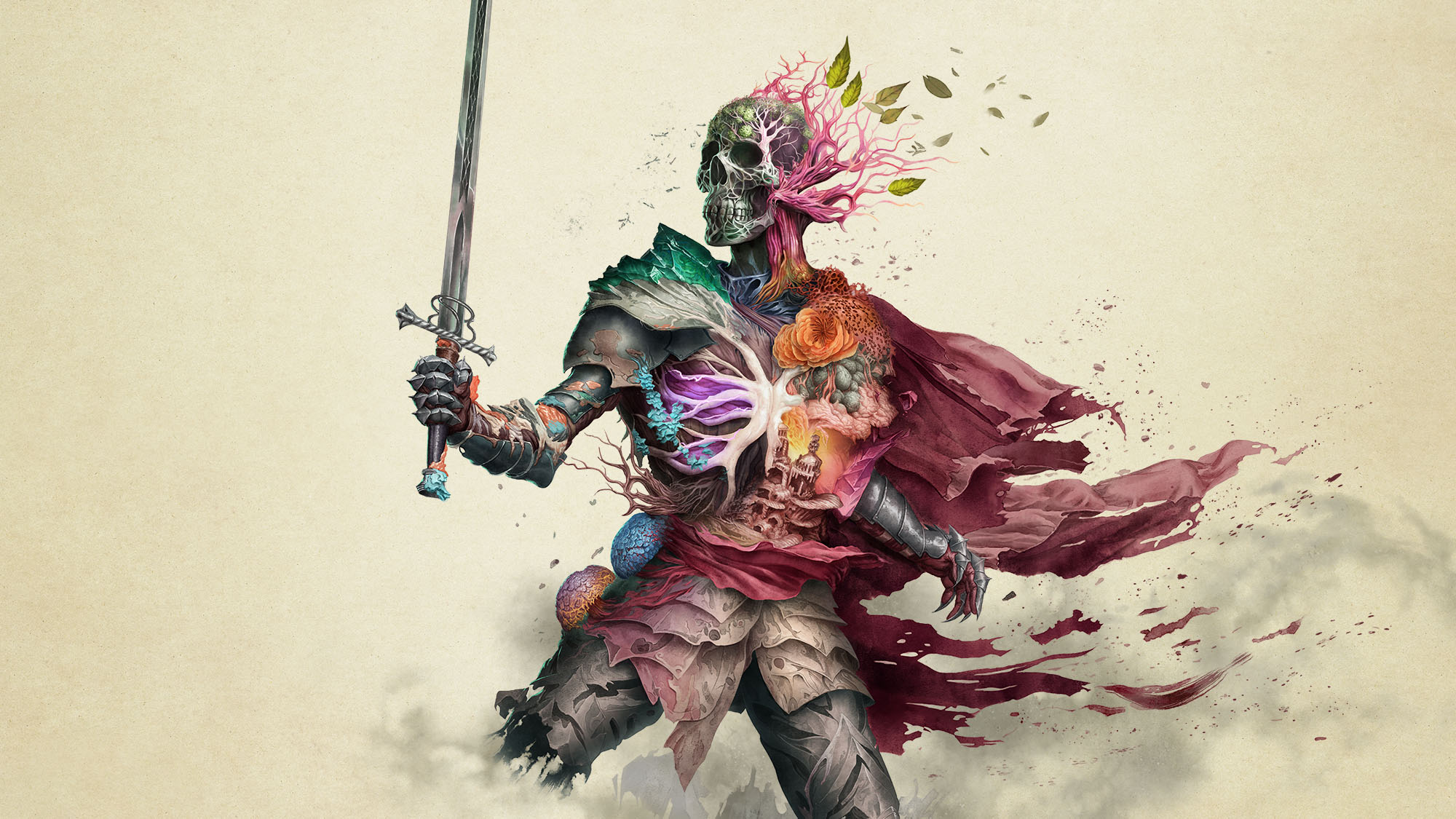
Dream Scourge is a spiritual plague, corrupting the souls of the living and the land itself in The Avowed. Victims deteriorate until their bodies are overtaken by fungal growth and they’re subsumed by the plague.

Replicating the disease IRL, the ‘bloomboard’ concept outlined by Edelman involved growing various strains of real fungi across a life-sized model of one of the game’s iconic figures. With emphasis on ‘realness,’ the filming element would capture the growing process of the fungi from pipping to bloom. Coinciding with the launch date, the model would form the basis of an art installation in Shoreditch that would be live for public viewing over five days. As such, Edelman were keen for an ending sequence that would transition to show the installation on-location.

The Technical Bit. (Time-lapse.)

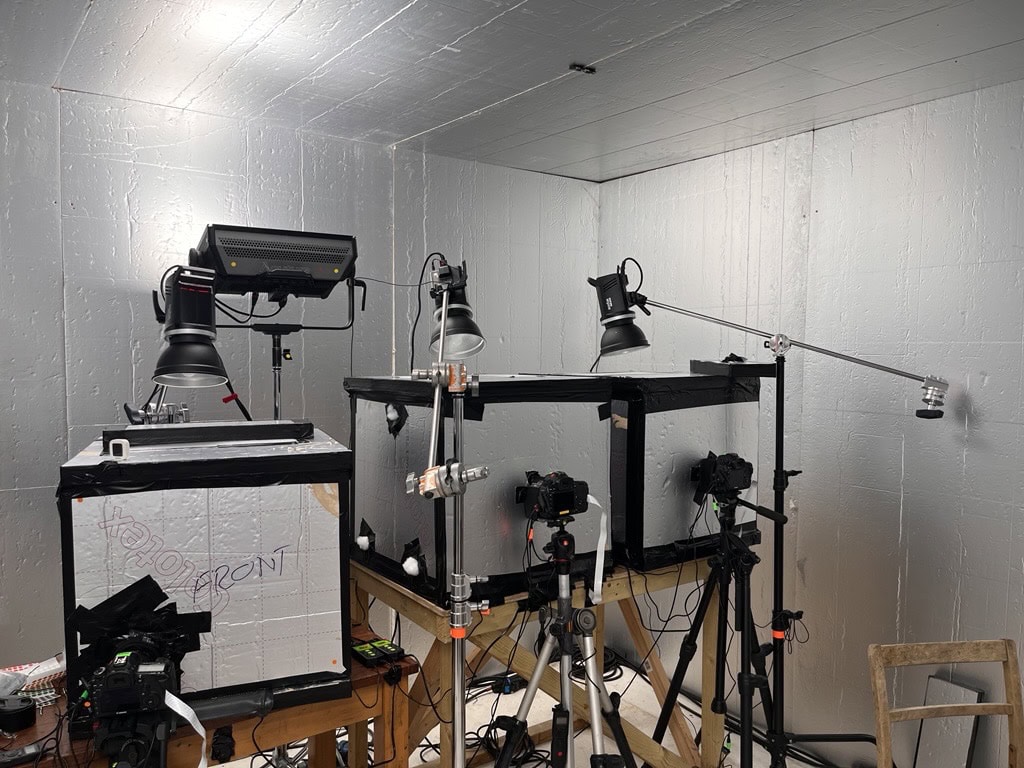
Like all good projects, the concept presented a multitude of technical considerations that needed troubleshooting. The majority of the filming window would need to be dedicated to studio time-lapse, capturing fungi and mould growth in real time. A happy medium was required for a rigged environment that was conducive to fungi growth and the 24/7 operation of camera equipment – conditions that don’t usually mix.

Among the considerations were temperature, humidity levels, air flow, lighting, growth rate and the interval of the stills: all needing delicate management to balance and optimise the results.

The species of fungi and mould strains used were chosen specifically for their resilience, increasing chances of growth within the filming period. Including oyster mushrooms, Lion’s Mane and mycelium, we managed multiple growing rotations simultaneously to maximise available filming time and capture a diverse range of content.

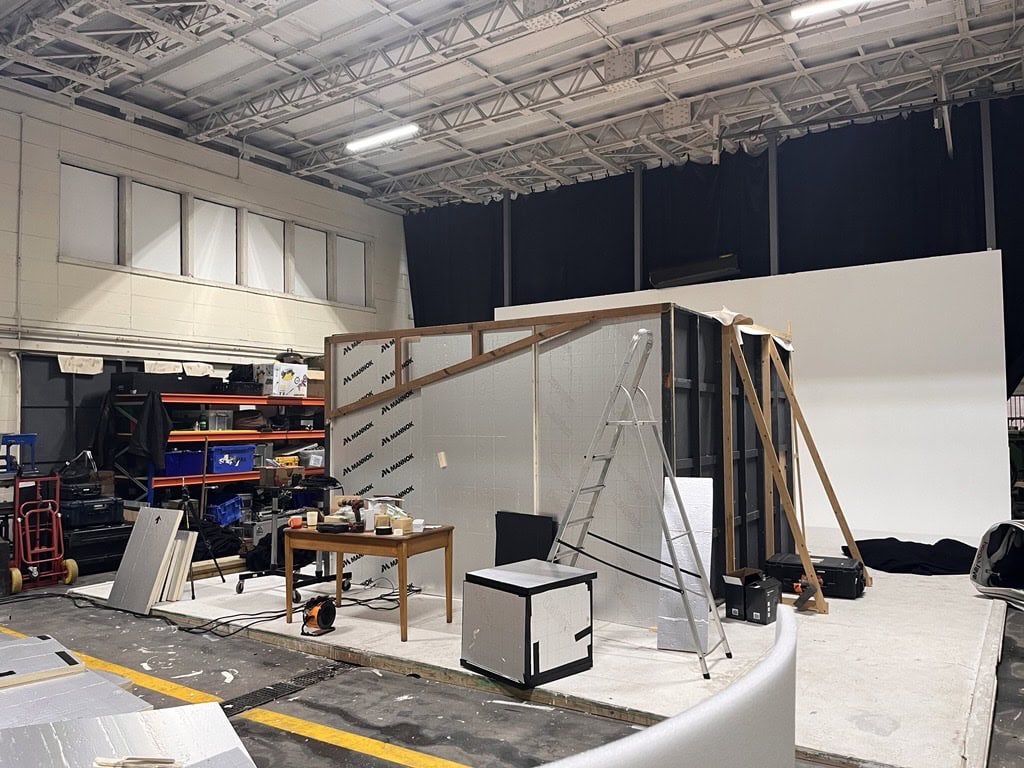
We built dedicated growing environments in our studio to foster the optimum growing conditions. Tailored to suit our kit, the set-up was intricate and required a week to build and test ahead of filming. At the mercy of rigid deadlines, careful planning was necessary to manage the filming schedule and shot list, ensuring all content was achievable and had room for contingency.

The whims of mother nature dealt us the odd poor hand as well as some happy coincidences, so flexibility was also key to capturing the best results given the organic subject.

At the mercy of rigid deadlines, careful planning was necessary to manage the filming schedule and shot list, ensuring all content was achievable and had room for contingency. The whims of mother nature dealt us the odd poor hand as well as some happy coincidences, so flexibility was also key to capturing the best results given the organic subject.

The Artistic Bit. (Studio.)

Our first opportunity to see all the elements together, we hosted Edelman and all the project’s contributors in our studio. Like an artefact from Indiana Jones, the character model was delivered shrouded in bubble wrap and clad in protective timber scaffolding. Unveiled, the result was striking: seven-foot tall, eerie and imposing.

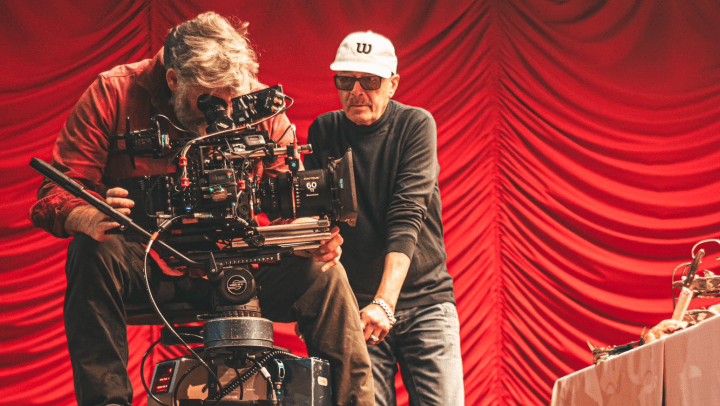
With our studio quick-changed from mushroom laboratory to black backdrop, all focus was on the final piece. We opted for sculptural lighting techniques, fixing them high and behind the subject to set its intricacies in sharp relief. Moving lights were also utilised to add further depth, with the camera being rigged to a dolly for the big-money shot: a smooth pull out from eye socket to full body. Shot on our Alexa 35, the content was strikingly cinematic. Additionally, use of our probe lens set forward the focal plane, literally drawing the viewer into the texture of the disease-riddled body.

The Real Bit. (Installation.)

Two days before the game’s launch, our crew travelled to London, ready to film the final component for the edit: live installation. Created using a shipping container set into the hoarding, Shoreditch streetside transformed into a window to glimpse The Living Lands.


Gaining permission to film on the pavement, we packed light to minimise obstruction to pedestrian. Deploying only a single camera and gimbal, we scheduled time around the installation teams to capture the signed-off piece in smooth, sweeping shots. Obscured passersby emphasise the art’s immediacy, marking the five days it was live for viewing. This kept us in line with Edelman’s original vision of ‘realness,’ underlining the project’s engagement with the public as a live art piece.

Filmed the day before our overall deadline, the race was on to return to HQ, ingest overnight to turnaround the final edit next day.

The Last Bit. (Post-Production.)

Bringing it all together, post-production carried responsibility of knitting time-lapse, studio and on-location filming into a cohesive final film. Not just ‘the last bit’ in this case, our in-house editors laboured alongside the film crew for the duration of the project, working through animatics, interim edits and style frames to align the creative concept with the final video output.

In the time-lapse stage, a well-oiled process of ingestion and formatting was required to regularly pull media from the five stills cameras and stay up-to-date with the growing process. As well as allowing initial time-lapse content to be built into the draft edits, this system also allowed us to monitor the fungi growth and adjust accordingly the filming schedule to capture the best growth from each species.

When it came to colour-grading, our editor augmented the natural hues of the fungi and mould, for a more fantastical feel in-keeping with the game’s setting. Pink oyster mushrooms acquired a toxic lilac tint and the watery yellows were strengthened for an unearthly sallow look.

As well as the hard deadline overall, our editors worked to meet several interim deadlines and operate a tight turnaround on feedback to amend and incorporate developments from the creative team. This continued collaboration not only informed filming, but shaped the deliverables right up to the deadline. After the last push to ingest and add footage of the installation, final feedback was received and tweaks made accordingly before the signed-off edit was sent off for a last pass from sound design. And voila!

From studio to Shoreditch, the project was about bringing the Dream Scourge to life: real, immediate and tactile. In an edit designed to pull in audiences and leave them reeling, the unsettling time-lapse, other-worldly studio content and the grand on-location reveal all demonstrate how far the concept came, and – for those of us who know – tell the story of an even bigger journey behind the scenes.

Have we lured you in? Watch the full edit here.

We thoroughly enjoyed working with Creative Giants, Dominic Downing, Jamute, and their teams, as the many hands that contributed to the stunning final film and live installation.


And The Award Goes To…

By Bruizer Film & Video,

Celebrating three nominations and a big win for short film ‘Crash,’ created and directed by our very own Shaun Forsdyke.  

As the competition drew to a close, guests at the 2024 Oxford Shorts International Film Festival settled in for the annual award ceremony. A line-up of over 120 short films were whittled down to a shortlist of 57, split across 19 categories. Among them, ‘Crash’ was nominated for three awards: best experimental film, best sound and best cinematography.

By the end of the night, ‘Crash’ had become an award winner, clinching best cinematography

(whoop whoop!).

Satisfyingly, the award ceremony was almost a year to the day that the Bruizer crew stood round an overturned Nissan in the middle of a disused airbase. The titular car crash scene culminated a weekend of filming, where the Bruizer team – comprising a ten-man crew, plus two talented actors – had filmed four consecutive night shoots on-location around east Suffolk.  

By the Monday night, we were all a little worse for wear, lacking sleep and some of us having lived out of rucksacks over the weekend. But it was all worth the sense of achievement, as we wrapped the actors and swept away a car windscreen’s worth of stunt glass.

Before filming, ‘Crash’ was years in the pipeline. Created and directed by Bruizer’s Shaun Forsdyke, ‘Crash’ is inspired by his real experiences of hypoglycaemia, a state of intense low blood sugar in diabetics. Side effects include sweating, dizziness and hallucination, in extreme cases.

Written in 2023, the pre-production stages began in earnest the following spring and were worked through over 4 months. Alongside Shaun, producer Kate Wingar and DOP Andy Parsons shared the load to get the project off the ground. This included recces for numerous potential locations, casting calls and the auditioning process for selecting talent.

Our leading role was superbly portrayed by Matt Biddulph – who’s also enjoyed recent nominations at the Vox and One Voice awards, congratulations! – and the role of his wife being played by Katie Hamilton, the hugely talented actor and writer.

The story follows main character Charlie through stages of increasing delirium, experiencing disjointed visions. Crafted and shot by DOP Andy Parsons, various cinematic techniques are deployed throughout to signpost and intensify hypoglycaemic symptoms.

One such technique uses light to achieve a flickering reality effect as Charlie attempts to process his hallucinations. The filming location – a complex of three converted barns – was partly chosen for its full height windows and beamed structure, casting intricate shadows when lit. We employed our CamMate crane, positioned outside each scene and used it’s 21ft reach to sweep a spotlight through the shot, creating the distinctive light tessellations.

Kit-wise, the project was also the perfect opportunity to christen our latest purchase: the Arri Alexa 35. The gold standard for cinematography and Arri’s newest model, the Alexa 35 brings a feature film feel to ‘Crash’s’ seven minutes and 57 seconds.

As well as being the brainchild of Bruizer’s Head of Post-Production, Shaun, ‘Crash’ was 80% internal Bruizer team, who burned through several dozen takeaway meals, bucketfuls of tea and innumerable rounds of midnight toast to bring Shaun’s vision to life. Special mention also has to go to Gemma Smith, who helped expertly recreate these hypoglycaemic symptoms on set with her concoction for bottled sweat and other magical make-up techniques.

Once in the can, Shaun himself edited the final film, augmenting the filming effects in post and creating an immersive soundscape. In part, these sounds were designed from audio recording of an insulin pen and blood tester. Extremely slowed down, the resulting noises are warped and unknown, contributing to the sense of disorientation and distorted reality experienced by Charlie. 

The finished result is a compelling piece of short cinema (if we do say so ourselves!) And we’re not the only ones to think so, with Oxford Shorts judge, Lorenzo Levrini, agreeing that:

‘This experimental, daring and original piece reconnects us to what cinematography is all about: making the audience feel something through the use of light, camera movement and lensing. Cinematographer Andy Parsons employs surrealism and metaphor in his use of moving light, atmosphere and lens artefacts to convey his director’s subjective experience of hypoglycaemia, displaying imagination, creatively and resourcefulness on a limited budget.’

You can watch the full film of ‘Crash’ here, winner of Oxfords Shorts 2024 Best Cinematography. 

And more for 2025, Shaun’s latest film ‘Crush it all Down’ is coming soon. With filming underway, follow us on LinkedIn for updates!

Bruizer crew, or brilliant copy?

By Bruizer Film & Video,

AI technology can now create a copycat with only three-minutes of footage. But is it any good? You be the judge.

Artificial Intelligence has long-populated science fiction. The raw dystopia of Ridley Scott’s Blade Runner famously features a rugged Harrison Ford navigating a world where humans and their ‘replicant’ counterparts are eerily indistinguishable. But as the credits roll, you can happily turn off the TV with a remote control that won’t try to kill you.

But in recent years, AI replication is an increasingly real-world question, with audio and video generation platforms gaining currency. Intrigued, we staged a Bruizer test to see if we could create convincing AI versions of our team.

We commandeered an edit suite to set up an interview space and capture some talking heads. Our control text: a local newspaper article, which provided the basis needed by the AI-platform to generate a copycat. Alongside, we captured a natural piece to camera to compare. In the interest of a fair test, we wanted to generate exactly the same piece using the AI-platform, with only some minor changes, so set up a direct comparison between the real Bruizerite and the AI version.

So, with a total of only three minutes of footage captured, behold the result. But before we give the game away, take a look and see if you can spot the difference…

So, would you have known if we hadn’t told you?

The answer is, probably, yes. Although undoubtedly lifelike, there’s a distinctly inhuman quality to our techy twin. Firstly, there’s an unnaturalness to the facial movements. In some cases, the movement is isolated to specific areas, such as the mouth and eyes – depending on the natural habits the AI has picked up on – but it largely feels irregular or exaggerated.

For example, overly pursing of the lips, involuntary twitches or increased blinking. More unsettling, these movements often don’t carry through to the surrounding features, creating a tense stillness in the face and an uneasy lack of character overall.

There’s also a leaning towards overly regulated rhythms of speech, which teeters on the robotic at points. Even for the original Bruizers who don’t boast a strong regional accent, the metronomic syllables of their AI are too uniform for even a well-spoken voice.

Admittedly the gestures are uncanny in places and very convincing in how they mimic our idiosyncrasies. The occasional head tilt or nod generally has good alignment to where we’d naturally place them, introducing a question or ending a sentence.

But for all the accuracy, the overall AI character is disinterested, disengaged. We hope it doesn’t sound too big-headed, but there’s no question the real Bruizers are far more enthusiastic than our AI counterparts who, it appears, would really rather be somewhere else.

Our weekday cloning session was only ever intended as controlled experiment, but it can’t help but pose a larger question: what are the real-world implications of this technology for the filmmaking industry?

It’s possible we’re at the beginning of a talking head revolution. A company’s CEO could cut down their interview time, needing only three minutes of content for a ten-minute end of year message. Perhaps we can say goodbye to the laborious process of multiple takes, trying to perfect the delivery of a lengthy script.

If it’s not generation, the same AI-platform we used to produce the fake Bruizers also has the ability to transpose into different languages. Multi-national companies could have the opportunity to improve accessibility and communicate direct to their employees across the world in their native language. Although therein lies another fault, that the level of fluency and pronunciation achieved by AI is unrealistically perfect for non-native speakers.

On the other hand, even native speakers make mistakes so a more subtle application of the technology might be the ability to correct grammatical slips or mispronunciations in post-production, rather than needing to organise a reshoot.

And it’s not all hypothetical: an example of an already established AI application is eyeline correction on facetime calls. Where online communication is considered cold and disconnected, these small changes are already creeping in as an effort to make the experience more personal.

The question is, can it ever compare to real human contact? If our experiences of the COVID-19 pandemic taught us anything, it’s that we can coexist through the internet, learn via pre-recorded lectures and collaborate over video call. But do we want to?

Although the logistical benefits may seem appealing, could a culture of AI communication lead to an isolated and disengaged workforce? A CEO who appears too often as an AI incarnation might quickly become disassociated from any real person and ultimately result in a company that lacks any sense of leadership and fails to inspire its employees.

Whatever the application, at the core of the technical debate is a deeper, existential one: how far do we distinguish AI from the real person behind it? Is an AI-being separate, or an extension of ourselves?

The inherent fear that surrounds AI as a concept is derived from such questions. The underlying cautionary tale of much science fiction plays into our fear that one day there will be an intelligent being that can outsmart, outmode and outlive us.

If you really want to challenge your philosophical thinking, consider the paperclip theory. To paraphrase Nick Bostrom’s famous thought-experiment, an AI is tasked with making paperclips. Having used up all obvious materials for crafting stationery, the AI pursues further resources and eventually burns through all the raw materials on earth. The AI then progresses to a new planet in search of more paperclip fodder, the ultimate result being that a menial task spells the destruction of the universe and us mere mortals within it

 Put in that bleak light, it’s easy to see why it’s the negative implications that hit headlines.

And it’s not just the media industry, with countless new avenues now open for fraud. Imagine a teams call where the CEO authorises a £20k payment to a new supplier. Or a public figure ‘caught on camera’ committing slander, which is held to ransom or released to ruin their career. The scope for political upheaval or social scandal is vast, and if it only takes three minutes of footage, any of us with a social media account could be vulnerable. It gives a whole new meaning to the phrase ‘don’t put words in my mouth.’

So, more than ever, it’ll be important to prove the realness of things and authenticate the messages we put out into the world. A company will be measured by how its brand is set apart from the figment of technology. As a result, we could see an increase in live broadcasts, to engage employees in real time, with undeniably real people. Or a move away from generic messaging in recruitment or corporate campaigns, driven instead by existing colleagues interacting with the workplace and emphasising action over spoken word.

It’s an old adage among creatives but true: ‘show, don’t tell.’ In a world made bland by AI-content, the talent of videographers will lay in capturing what can’t be imitated: the character and connection of real people, the organic ethos of a company, the energy of a brand. It’ll be more important that ever to partner with creative agencies who can develop bespoke styles and create content that doesn’t just tell you something’s true, but makes you feel it too.

It’s All About The Look

By Bruizer Film & Video,

When is a talking head not just a talking head? A bit of Bruizer lateral-thinking and the ‘bog-standard’ becomes more than that.

The interview is the backbone of many types of content, whether it’s a corporate case study, a piece of internal comms or a milestone film. As a viewer, an interview is our opportunity to hear from real people, listening to their own words or delivering a carefully considered script that crafts the narrative.

But what’s sometimes underestimated is that the mood and feel of a film can be massively impacted by how an interview is staged. Every company has its own character and ethos, just as every interviewee is individual, so why would you confine them to four-walls that could be any business, anywhere?

Sometimes, all it takes is a bit of Bruizer lateral-thinking and the bog-standard becomes more than that…

The Go-Getter

Get your interviewees out of the chair and in their natural habitat. How better to drive your recruitment campaign than with real employees doing their real jobs? By keeping your interviewee in their working environment, the viewer can really get a sense of what goes on in their working world and what makes them tick.

Not all of us are blessed to be naturally comfortable in front of the camera, but familiar surroundings can bring out a remarkably relaxed performance and capture people at their best. When we spoke to Water Field Technician, Steve, about his career in the utilities sector, he was busy at work. It’s undeniable that the rhythm and hands-on feel of this memorable film is characterised by the on-site hero interview.

The Trend-Setter

Sometimes it’s all about location. A trendy background or stylish set-piece can add a little extra pizzazz. If you got multiple interviewees from different departments or backgrounds talking on the same subject, it can be a neat way of uniting them visually. It can also help establish a distinctive mood or character, using pops of brand colour or particular style of furniture, like this snazzy velvet armchair we sourced for BUUK, who wanted to foster a welcoming feeling in the company and strip back the austere job title with ‘Meet the Director’ interviews.


We put the company’s directors in the hotseat to find out a bit more about them: their inspiration, their first job and their most recent fancy-dress outfit. A combination of zingy brand colours and the distinctive winged-back chair create a light-hearted atmosphere and perfectly sets them up for the inspiring and characterful responses that give us a peek at the real people behind the job title.

The Real-Worlder

The truth is that there’s no replacement for the real thing. Get your interviewees out and about and capture them in an actual place. A real-world location can really bring home the relevance of your message by situating it in context. Set out your environmental strategy from a scenic landscape or engage your workforce with internal comms that tour company landmarks.


The truth is that there’s no replacement for the real thing. Get your interviewees out and about and capture them in an actual place. A real-world location can really bring home the relevance of your message by situating it in context. Set out your environmental strategy from a scenic landscape or engage your workforce with internal comms that tour company landmarks.

The Sitter

Okay, we won’t deny it, there’s sometimes call for the simple and clean sit-down interview. Used thoughtfully, this approach can create a softer or impactful narrative core. With full focus on the interviewee, their account of real and lived experiences has the spotlight


The cost of living and energy crisis are increasingly pertinent topics in the UK, so when British Gas Energy Trust commissioned a film with the funded organisations on the frontline, we knew it was the end users who would provide the emotive heart of this narrative. Stark backgrounds and tighter framing keeps all our focus on the interviewees, allowing them full expression of their emotive stories to create impactful narrative.  

The Messenger

We’ll always extol the virtues of an out-and-about setting, however we realise it’s not always possible to mobilise your interviewees. Security complications or limited availability might dictate the location, but that’s no reason to settle for a plain talking head. Make your message pop with animated elements, or text on screen to engage your audience and bring home your key pointers.

Working with AWE, manufacturers of the UK’s nuclear deterrent, we’re often faced with security limitations that need a bit of creative thinking. Capturing employee experiences, we diversified the ordinary background by pulling quotes from their responses, highlighting core messages and catchy soundbites with a memorable freeze-frame style.


The Voice of God

Show don’t tell. Sometimes you don’t even need an interview. Why put screentime towards a talking head when you could devote every second to the action. In the right edit, an interview can boil down to quality audio steering the narrative, so you can dedicate attention to the visuals for a fully immersive experience. If you’re trying to sell a job role, or place to work, you shouldn’t always feel the need to cut to a contrived interview setting. Instead, ensconce the viewer in atmosphere and don’t break the effect.


That’s just the approach Harwich Haven Authority went for when they needed punchy social media-facing content to promote their apprenticeship programmes. Action-packed and visually tactile, the viewer is pulled into the apprentices’ experience for a real taste of what the programme offers. The voiceover approach offers a grittiness that matches perfectly and builds to the stirring call-to-action.

So, next time you’re booking out space in your workplace for filming, stop, consider. What do you want to say? What atmosphere do you want to create? Set your interviewees free of four-walls and see the new possibilities for your content.

We’re always here to chat through ideas. For a style that’s tailor-made to your purpose, get in touch today.

What an Internal Team Means for our Clients

By Bruizer Film & Video,

We stand by the fact that teamwork makes the dreamwork; that’s why our wonderful internal team means so much to us, and to our clients.

We’re not like other production companies. No, seriously. We’ve spent our 20+ years in the business investing in our kit and full-time staff, and as a result Bruizer can boast that rarest commodity: a completely in-house team.

Other companies might operate as ‘shell agencies’, meaning they keep a core of creatives (such as producers or marketing advisors), but the overall production process will be made up of many disparate elements. Reliant on external hire, they might have to man a shoot with freelance crew and rented kit, lease independent directors, engage an external editor, or all the above, to plug the gaps in a project.

What makes Bruizer different is that we can host fully self-sufficient shoots without outsourcing. We keep an internal team of producers, crew and editors to cover all aspects of a project from creative to completion, meaning we can offer our clients a smooth and enjoyable experience.

How so? Well, first off, it’s about…

Reactivity.

Because we have a committed internal team, we’re not dictated by the need to balance multiple freelancer diaries. We only need to work around the clients’ availability, giving us maximum flexibility for filming schedules and meeting deadlines in post. We can turn your edit around sharply, applying feedback to get the next version back to you within hours. If needed, we can even send a crew out to you same day. We relish last-minute requests because we know we can support a quick turnaround and accommodate any curveball.

Beyond the schedule, it’s also about reactivity in the moment. When things don’t run smoothly, sometimes it’s down to pure ingenuity. Because we keep all our own kit, we know it inside out and can engineer solutions for any issues thrown up in production or even on the day. Whether it’s mounting the camera to a garden tool for an ad hoc ‘POV’ shot or packing a live broadcast set into eight suitcases, our consummate kit know-how can take us anywhere.


Efficiency.

Time is money, and we don’t just offer our clients best value in terms of time-efficient turnaround. Owning all our kit – and so bypassing rental charges – means we can be cost-efficient too. Cameras, lighting, sound and grip: we’ve got everything needed to support a one-man ‘run-and-gun’ right up to sprawling location sets or global live broadcasts.

That’s a lot of baggage but easy to manage when you know how. And our kit has travelled as far as our expert crew, meaning we can maintain our cost-efficiency on kit anywhere in the country. Even the world. We’ve got ample experience transporting across borders, and can pack smart to work around luggage limitations so to guarantee quality video production wherever you need us.

Continuity.

Bruizer is an expanding team, but we’re small enough that you’ll always be greeted by friendly faces. Our united approach sees a project channelled through our production department, who assign a dedicated editor and select the crew best-suited for the brief. Throughout a project you’ll keep the same points of contact, so you’ll always be working with people you know and who know your project.

That’s because we believe there’s quality in continuity. Our creativity comes from a cohesive team working towards one goal. Many talented minds have the opportunity to touch on your project, and bring a point of view that can set it on a new and awesome trajectory at the creative stage.

We then consolidate with designated core contacts – producer, editor or director – to ensure that creative is distilled into quality deliverables. Maintaining these points of contact throughout, you’ll reap the benefits of our creative continuity, ensuring a final outcome that’s authentic to you and has longevity alongside your brand.

Whether it’s the intuition of a cam op, capturing a company’s ethos through the look on a lens or camera move, or the style of an editor, helping establish a brand identity and continuing it over a year-long campaign, as long as you’re with Bruizer, you’ll be working with professionals who’ve seen your project grow from the ground up and know it just as well as you.

Familiarity.

When it comes to crew, we aim to keep the same names across multiple filming days, so you can enjoy a comfortable shoot with people you know.

We know the energy of those behind the camera brings the best out of people in front of it and goes a long way towards capturing the real moments, whether it’s the emotion behind a charity case study or the enthusiasm of an apprenticeship programme. Not to mention a bit of banter to power through those longer filming days.

We like to think our relationships with clients endure because they’re based on more than just great service. We view clients as an extension of the team and take the time to really get to know them as individuals. It’s an atmosphere of infectious team-spirit, fostered in-house, that sets the tone for our approach.


Although we take our work seriously, we don’t take ourselves seriously and ensure regular intervals of silliness. We appreciate commitment to a practical joke, even down to a well-placed bumper sticker. So far at socials, we’ve uncovered the secret sushi-haters and expert axe-throwers in our midst, and we look forward to bowling each other over while football zorbing this summer!

Dedication.

But most important – we think – is that every individual who makes up our in-house team is a passionate expert in their field. Working with us, our clients don’t just get any old team plucked at random, but those that live and breathe film and animation.

We care about the work we put out into the world, and care about our clients getting the best from that content. Getting to know our clients means we also get to know their brands – their guidelines, company ethos, likes and dislikes – inside out. And over repeat projects with our clients, we’ve crafted consistently poignant and characterful content that has helped shape their brand identities. We’re with you on that journey, start to finish and we genuinely care about the end result.

You should always be represented by our best work and to ensure that happens, we undertake regular training, relevant to each person’s field, to stay top of our game. Progressing our technical skillsets, but also for general proficiency, such as Health & Safety, First Aid, and drone flying.

As a company, we want to know that our internal team is best-equipped to provide top-notch service, while also facilitating our individual drive to create stellar content and have the best fun doing it.

As creatives (and comedians!), we’ve got such a great working atmosphere that – like our clients – people just don’t want to leave. 25% of Bruizerites have been with the business for 20+ years, 50% have been with the business over ten years and 70% for more than 5 years. That’s a lot of years under our belt!

At Bruizer, our ‘in-house’ is a powerhouse. At the heart of who we are and how we work, the experience for our clients is unique because of it. We collectively follow a project, meaning we’re invested at every stage for the best-possible final result. Check out ‘work’ our website and see for yourself.   

Fancy working with us? Get in touch today.

Bruizer by Numbers

By Bruizer Film & Video,

We’ll tell you that Bruizer always goes the extra mile and that’s the truth. Now we can quantify it…

We’ve just celebrated a milestone birthday (whoop whoop!), surpassing two decades in the industry. So, in honour of hitting the big two-zero, we thought we’d have a look at some of the other numbers Bruizer has smashed over the years…

Still one of our most watched videos, we worked with EMC to engineer and film a Guinness World Record attempt for a lorry jumping an F1 car. The nail-biting edit has had over 12 million views on YouTube and smashed numbers of its own, with the truck leaping 83 feet and 7 inches.

Our most recent live show was broadcast from Tokyo to an audience of 7162 AVEVA employees around the world. The culmination of over 320 production hours, including rig days, rehearsals and extensive pre-production planning, the show featured a studio audience and collated a separate live feed from the US, bringing the company together across 17 time zones.

As the crow flies, the furthest we’ve ventured from Bruizer HQ stands at 6765 miles, landing in Singapore to film a commercial for Panadol in 2018. Tokyo comes in second, at 5871 miles, and San Francisco close behind at 5366 miles, crossing 3 continents to be there for our clients wherever they need us.

Working with LOCOG, we filmed across a period of 2190 days from 2007-2013 for the landmark 2012 London Olympic Games. Surprising communities with visits from sporting stars and inspiring young people across the world, we worked to capture the initiatives that shaped our nation’s Olympic experience.

When our unsuspecting head of post-production took a day off, it’s safe to say he never thought his office would undergo a full renovation in 24 hours. We estimate it took about 2080 post-it notes to lovingly decorate his office from top to bottom. It’s taken far more than 24 hours to reuse and recycle them, but at least we always know where to go if we need to note something down!

Filming for Q Mobile in 2016, we needed a location as glamorous as the commercial’s Pakistani star, Maya Ali. We had exclusive access to Blenheim Palace for 630 minutes to film everything we needed, both inside and out. The commercial was screened on TV just one week later.

By plane, ferry and trusty Bruizer van, we traversed the length and breadth of the UK (literally) to capture the stories of The National Lottery 2023 award winners, racking up 87 travel hours. That year, the furthest poles were 565 miles apart, from the Sport Award in Brighton to the Environment Award in Argyll and Bute, Scotland.

Food is never far from our thoughts, so this project was its own reward. 57 mouth-watering desserts were featured in our 2018 franchise film for Kaspa’s Desserts. They survived long-enough for filming but were immediately eaten afterwards!

Our largest corporate shoot in 2019 totalled a 35-strong crew. Based on-location in London, we broadcast ‘Cannon Street Live’ and welcomed AVEVA employees from around the world to the flagship office. The team behind-the-scenes included ten in-house crew and 25 external crew, not to mention the additional make-up artist, client VIPs and presenters on set. That’s a lot of faces to feed, and speaking of food…

As part of the big BUUK rebrand in 2023, we embarked on a campaign of epic proportions and created 30 films under one project umbrella, all in less than a year. In conjunction with their new website build, the collection of films encompassed the company ethos from every angle, including culture, brand and ‘day in the life’ films.

Shooting a brand film for The Angel Hotel in 2017, we filmed 15 backflips with our acrobatic maid before we captured the perfect shot for the final edit. ‘Be Curious’ was the tagline and, in-keeping with the venue’s kookie energy, we sourced 6 circus performers, including a fire-breather, contortionist and knife-juggler to step into the roles of hoteliers.

Across all corners of the county, we filmed at 14 outstandingly beautiful locations to spotlight Suffolk footpaths. Working with the County Council on their Discovering Suffolk campaign, our crew visited coast, town and woodland to capture the stunning diversity of local landscape. The five days of filming informed three main narrative edits, and a selection of social cut downs to focus on the varying areas and terrains.

When out and about, we like to eat local. And while shooting a garden product film on location in Walthamstow, we discovered a truly legendary lunch. 12 gyros, crinkle cut chips, pitta breads and plenty of taramasalata satisfied a very hungry crew!

During our Team GB fever, we also worked with Aviva to promote their sponsorship of UK athletics. We filmed 10 Olympic and Paralympic athletes for the inspirational ‘Paving the Way’ film.

Filming with the BBC, we met 7 Gladiators to reward the super fundraising efforts of a local primary school. Surprising 229 school children, we captured the moment their average day turned upside-down as they took on the gameshow’s famous faces in 6 exciting challenges, including tug o’ war, hurdles and the final eliminator. The film was broadcast on BBC 1 as part of the 2023 Comic Relief live show to an average 3.6 million viewers.

In 2016, we were commissioned by Maldon Salt to create a heritage-rich brand film. It took us one day to capture the moody, cinematic content needed, and while we were doing that, Maldon were creating 1.9 tons of their annual salt production.

Perhaps not a big number on its own, but over the years the Bruizer archive has backed-up a grand total 1 petabyte of footage, which is equal to over 1024 terabytes. Or, in layman’s terms, about 204,800 hours of documentary, commercial, short film, how-to, animation, music video…

Here’s to the next 20 years with even more to shout about. We’re always looking for the next bigger, better project – think yours could beat the above?

5 Ways to Use Video in your Marketing Strategy

By Bruizer Film & Video,

So you know you want, and need, to use video in your marketing strategy, but where do you begin? Let’s get you started with 5 ways to use video…

  1. Social media content There are multiple ways to use video on your social media channels. From creating a ‘day in the life’ time-lapse of your office to a teaser showing off a new product, the awesome thing about creating video for social media is you can be as creative as you like! As well as capturing and sharing spontaneous moments with your audience, which is a great way to give a behind the scenes look at your business, you can also share videos that are structured and have more intent behind them. Got a range of new products? Create a series of engaging short edits that give an overview of the product and leave viewers wanting more. Social content can also be created from your existing videos. If you have a brand film, why not repurpose the content and create 10-second clips to share with your social audience? This can be a quick win to get you started with social media video!

2. Brand film A brand film is a key component of any marketing campaign. It can not just tell the viewer about a business, but show them the type of company you are. A well executed brand film will give the viewer an instant impression of a company and it begins to build trust with the viewer. The focus is not on a product or service, but the company’s ethos and why they do what they do. A brand film needs to sell exactly that, the brand.

3. New product launch If you have a new product to release, video is a great way to launch it into the world. Rather than just one video, why not create short teasers in the weeks leading up to the official launch? This not only creates more content for you to share but starts to build excitement around your product. The main product launch film gives the opportunity to show off the product, let people know how it can be beneficial to them and kick starts a marketing campaign to launch the product.

4. Client testimonials There’s nothing like hearing it from the horses mouth right? So why not use video to your advantage and create client testimonial films? Rather than just reading some text, your potential new clients can hear directly from your existing clients. This will help to build trust and adds a human element to your business that people can relate to. 5. FAQ’s If you’re inundated with the same questions about your product or service, a single film, or a series of short films, can quickly answer your customers questions. This is often ideal if you have a technical product or service that is easier to show then describe in a text based answer. Creating these kinds of videos means they can not only sit on your website but also creates content to share across social media, win win!

5 Tips for a perfect interview

By Bruizer Film & Video,

Sounds easy, it’s only asking questions, right?

No, filming an interview is so much more than that. Especially if you want to get a great story and desired narrative! Check out our 5 tips for a perfect interview…


 1. Make people comfortable

An interview can be a stressful experience, even for the most passionate and articulate person. That’s why at Bruizer, we do everything to make interviewees comfortable, encouraging them to open up and to get the best out of them. It takes a good interviewer to understand the person and make them feel at ease. Our way is to keep the camera rolling, let the interviewee get used to being recorded and not to ask dry questions but rather let the conversation flow. You wouldn’t believe what a difference a relaxed atmosphere can make!

2. Don’t talk over people

Interrupting is generally considered a rude thing to do. But did you know that talking over your interviewee can also affect your recording? Let your subject think about their responses, and remember that, sometimes, silence is as powerful as words. By allowing your interviewee to communicate without any time pressure, you’ll enable them to find their flow and add extra thoughts, which could end up being moments of gold dust! People often think that repeating themselves during an interview is a bad thing – not necessarily, you never know which answer editors will choose for the final cut. Listening to your interviewee and not interrupting them can also help you consider their response and devise good follow-up questions based on their answers.


3. Have a questions check-list in your head

Preparing for an interview is essential and obvious, yet so often overlooked! At Bruizer we make sure to always prepare a ‘questions check-list’ before every interview, depending on the outcome our client and our crew want to achieve. If we need a very specific and hard narrative, we ask questions which will lead to the answers we need. Or if we’re looking for some honest and fresh opinions, we avoid direct questions and let the answers and conservation flow. Whichever story you want to create, we’re here to guide and help you!


4. Team work

There’s no need to tell anyone how important team work is to achieve success! Effective communication and ensuring that our crew works closely with the client, and the post-production team, to identify good responses is our key to the success. Our aim is to get the best out of people whilst creating a great story and narrative.


5. Framing and sound

We wouldn’t be film and video professionals if we forgot to mention some technicalities! Framing is key; a badly framed camera angle can make the interview look awkward, whilst bad lighting can ruin the shot. A great location with a suitable background can either reinforce the content of the interview or tell us something about the interviewee and their company. Don’t forget about the sound – background noise, wind, too loud music – all of which can contribute to either a success of a failure of your recording.


And whatever you do, remember to make the interview enjoyable – it will definitely show!