Grow Big or Go Home
Grow Big or Go Home
Recently we were privileged to collaborate with other great creative minds, working for Edelman to produce an edit that would accompany the launch of The Avowed video game.
Testing our time-management, reactivity and even our green-fingers, we were thrilled to be involved with this one-of-a-kind project. Now see the fruit – or perhaps fungi – of our labours, with an insight into the process…
The Brief
Looking towards the launch of The Avowed video game, we were commissioned by Edelman to produce an edit that would build hype around the release date. Prioritising 9:16, the video needed to stand out on socials and draw viewers in, working to a creative concept that would both unsettle and excite audiences. Aligning with the game going live, the project had a hard deadline and it was only a month away… so we got cracking.
The Concept
On a kick-off call, we walked through the developed brief with Edelman to absorb their vision. Taking inspiration from the game itself, the creative stemmed from ‘Dream Scourge,’ which is core to the narrative.
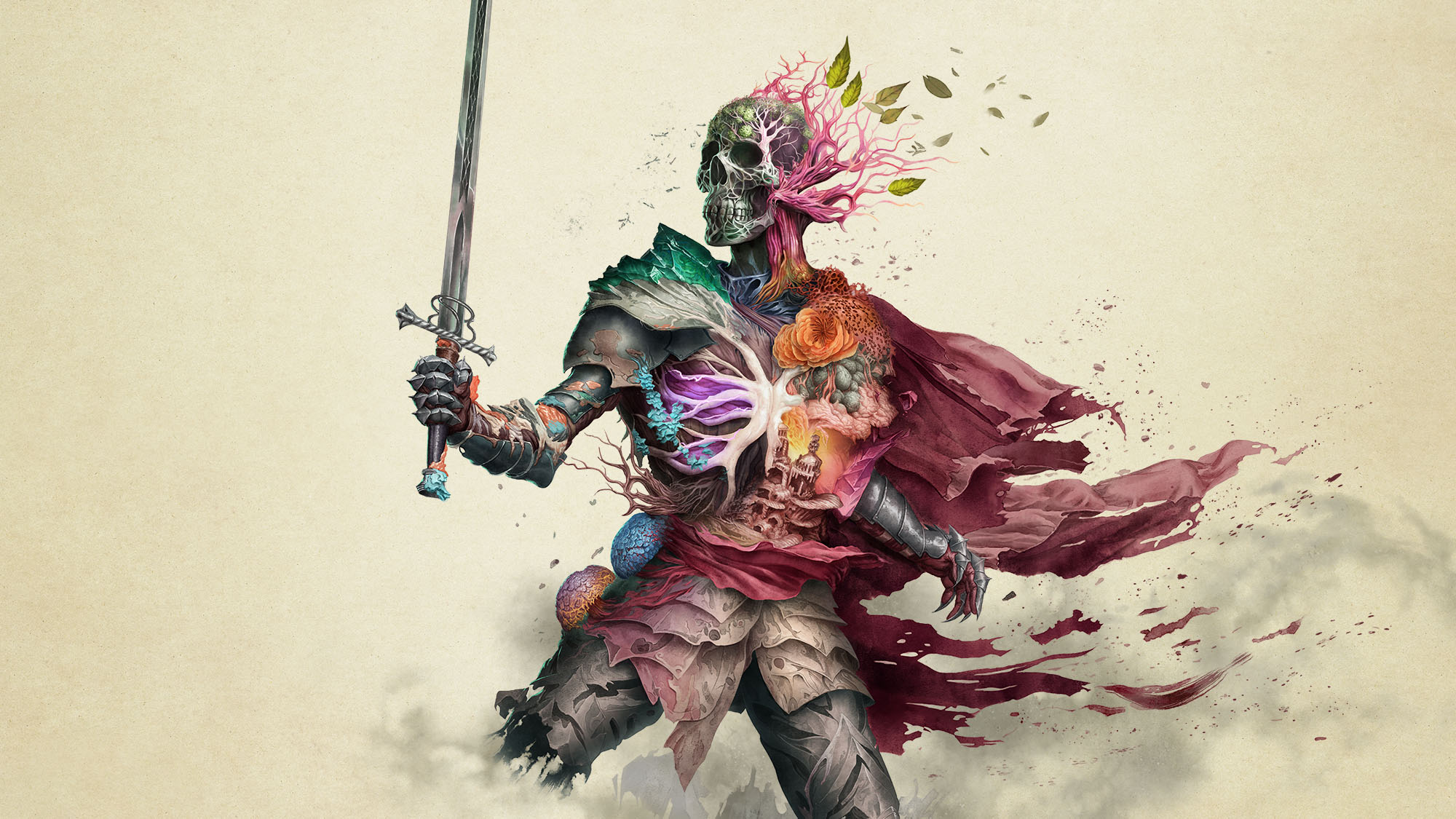
Dream Scourge is a spiritual plague, corrupting the souls of the living and the land itself in The Avowed. Victims deteriorate until their bodies are overtaken by fungal growth and they’re subsumed by the plague.
Replicating the disease IRL, the ‘bloomboard’ concept outlined by Edelman involved growing various strains of real fungi across a life-sized model of one of the game’s iconic figures. With emphasis on ‘realness,’ the filming element would capture the growing process of the fungi from pipping to bloom. Coinciding with the launch date, the model would form the basis of an art installation in Shoreditch that would be live for public viewing over five days. As such, Edelman were keen for an ending sequence that would transition to show the installation on-location.
The Technical Bit. (Time-lapse.)
Like all good projects, the concept presented a multitude of technical considerations that needed troubleshooting. The majority of the filming window would need to be dedicated to studio time-lapse, capturing fungi and mould growth in real time. A happy medium was required for a rigged environment that was conducive to fungi growth and the 24/7 operation of camera equipment – conditions that don’t usually mix.
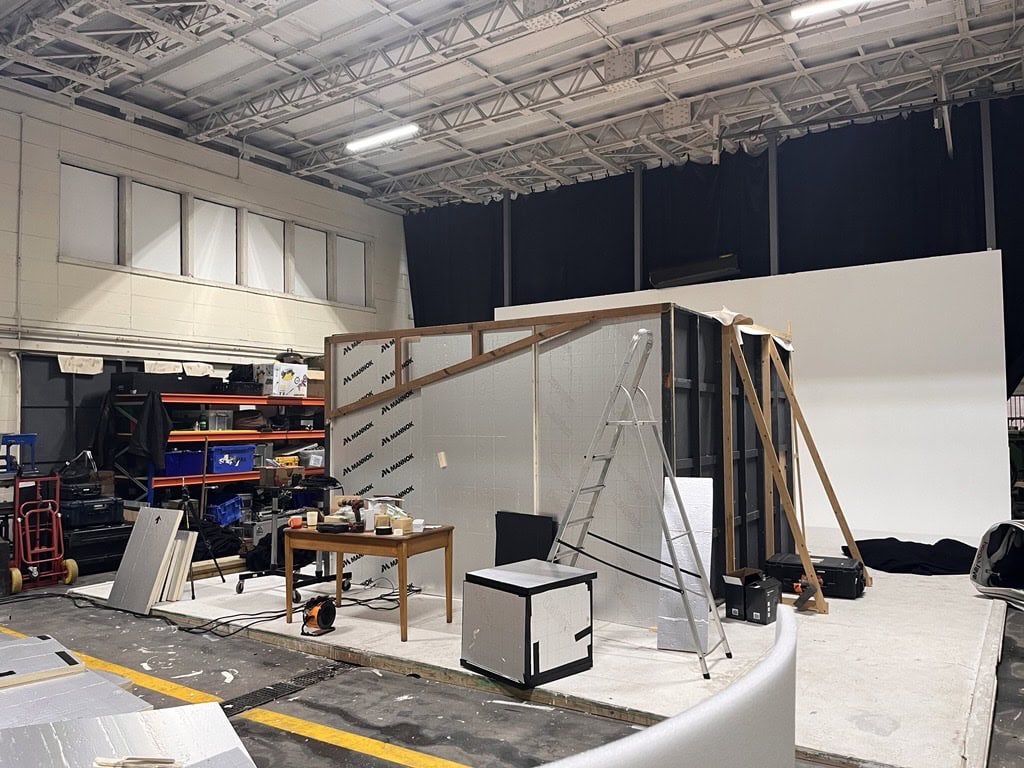
Among the considerations were temperature, humidity levels, air flow, lighting, growth rate and the interval of the stills: all needing delicate management to balance and optimise the results.
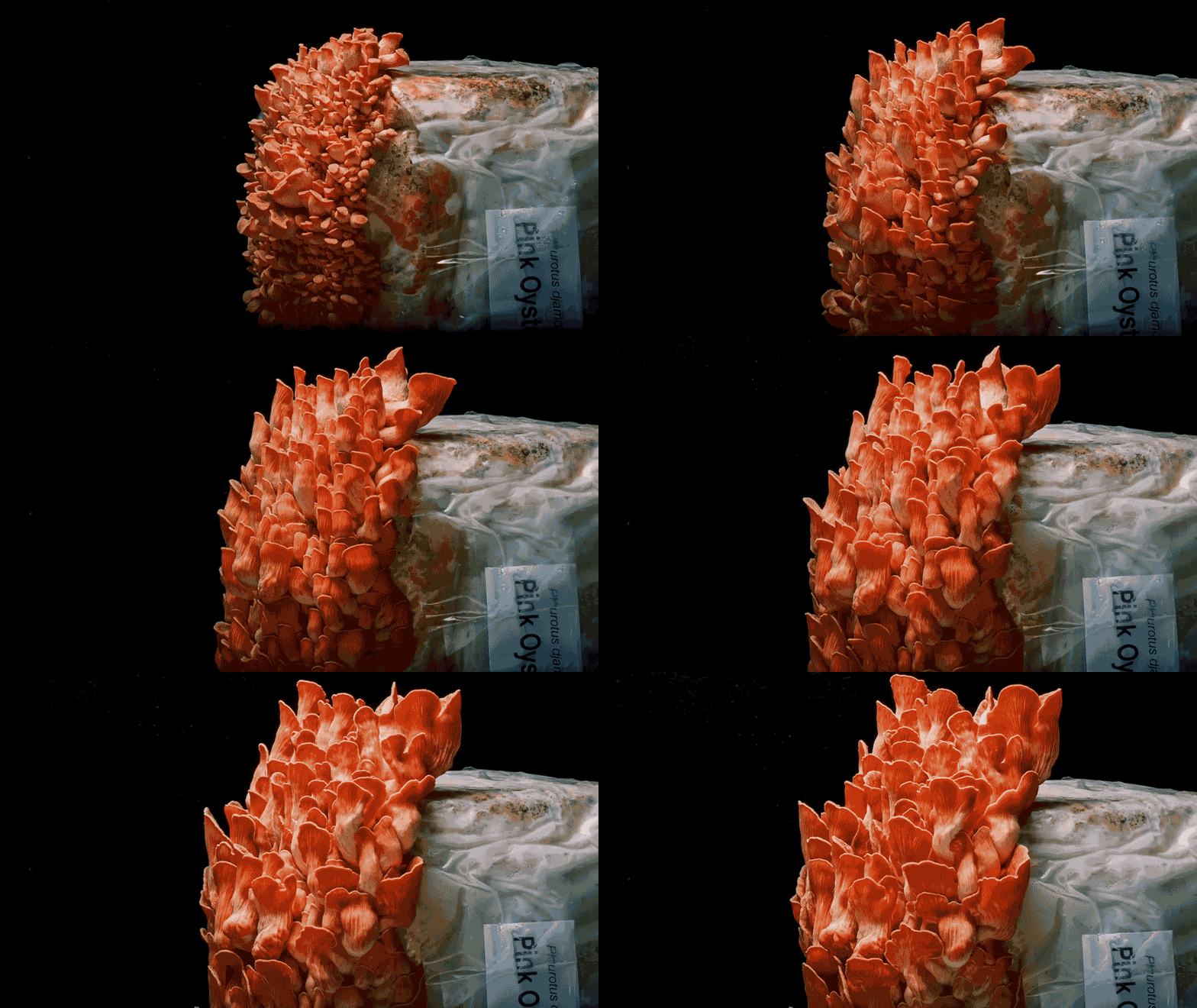
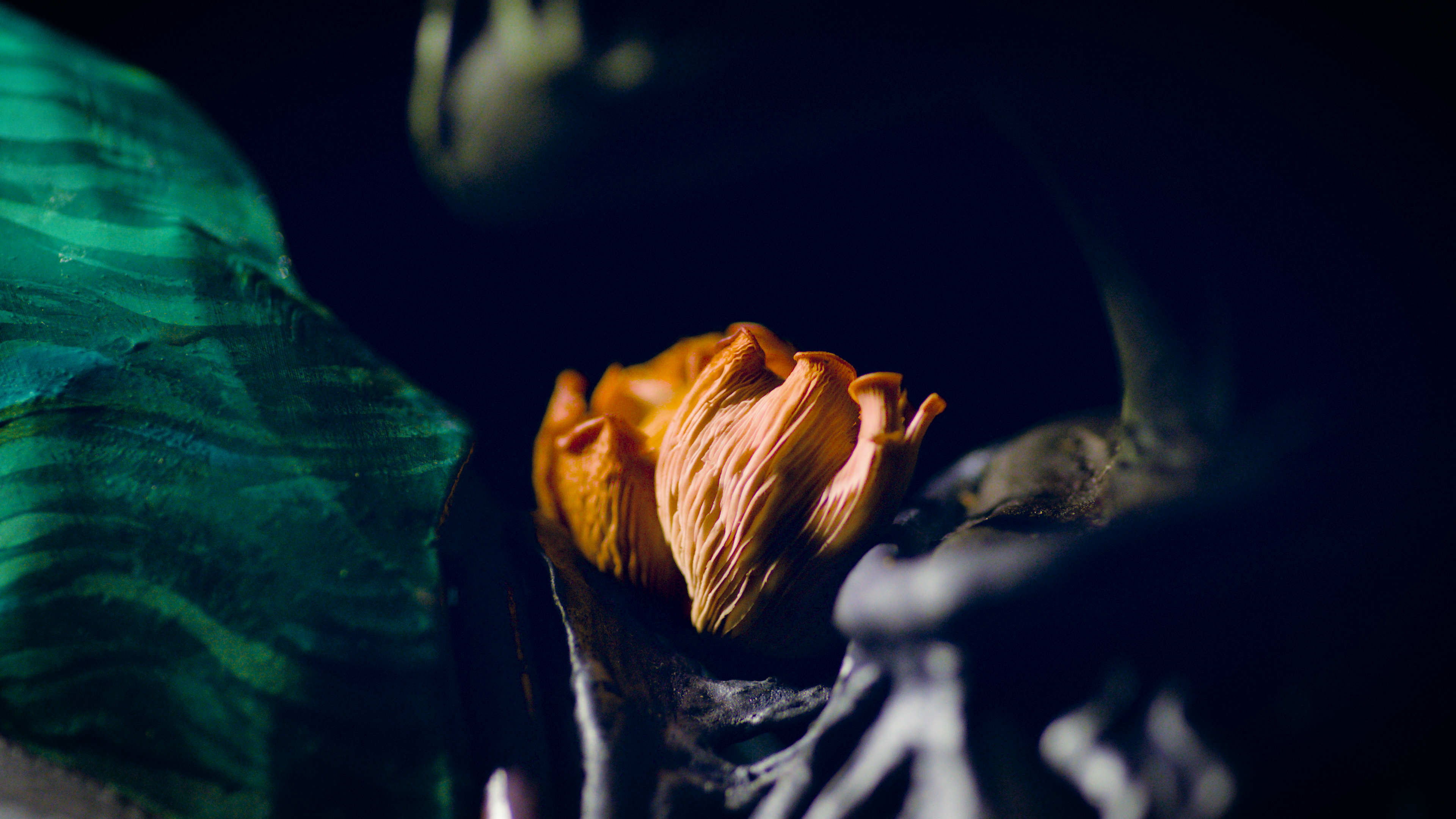
The species of fungi and mould strains used were chosen specifically for their resilience, increasing chances of growth within the filming period. Including oyster mushrooms, Lion’s Mane and mycelium, we managed multiple growing rotations simultaneously to maximise available filming time and capture a diverse range of content.
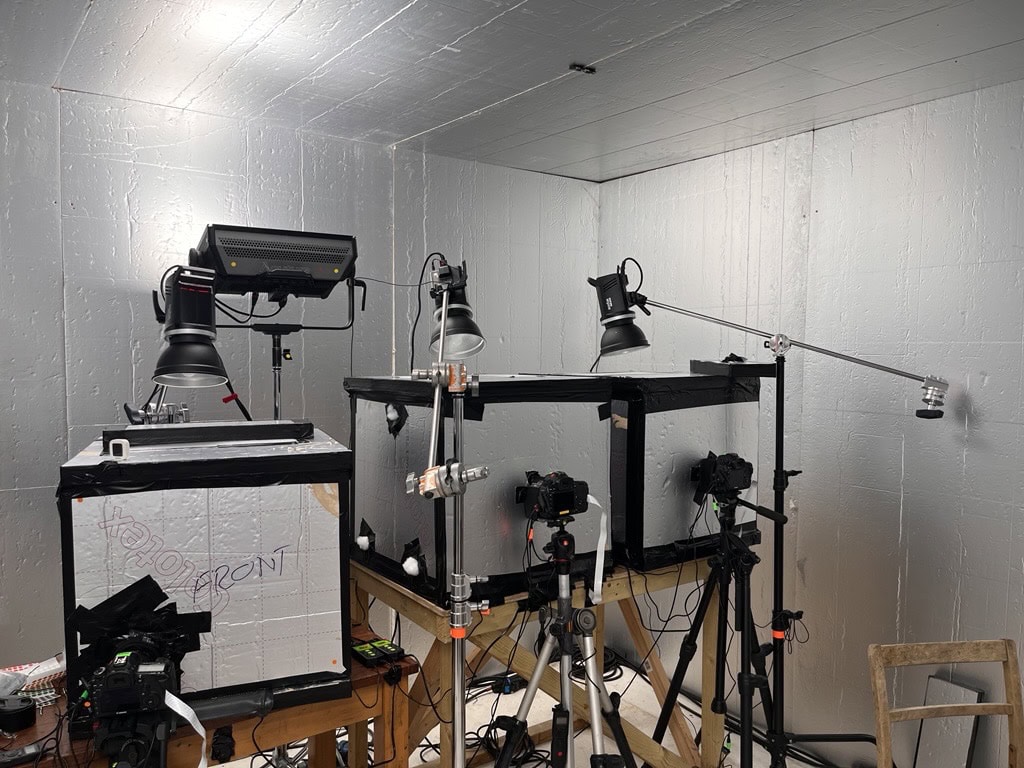
We built dedicated growing environments in our studio to foster the optimum growing conditions. Tailored to suit our kit, the set-up was intricate and required a week to build and test ahead of filming. At the mercy of rigid deadlines, careful planning was necessary to manage the filming schedule and shot list, ensuring all content was achievable and had room for contingency.
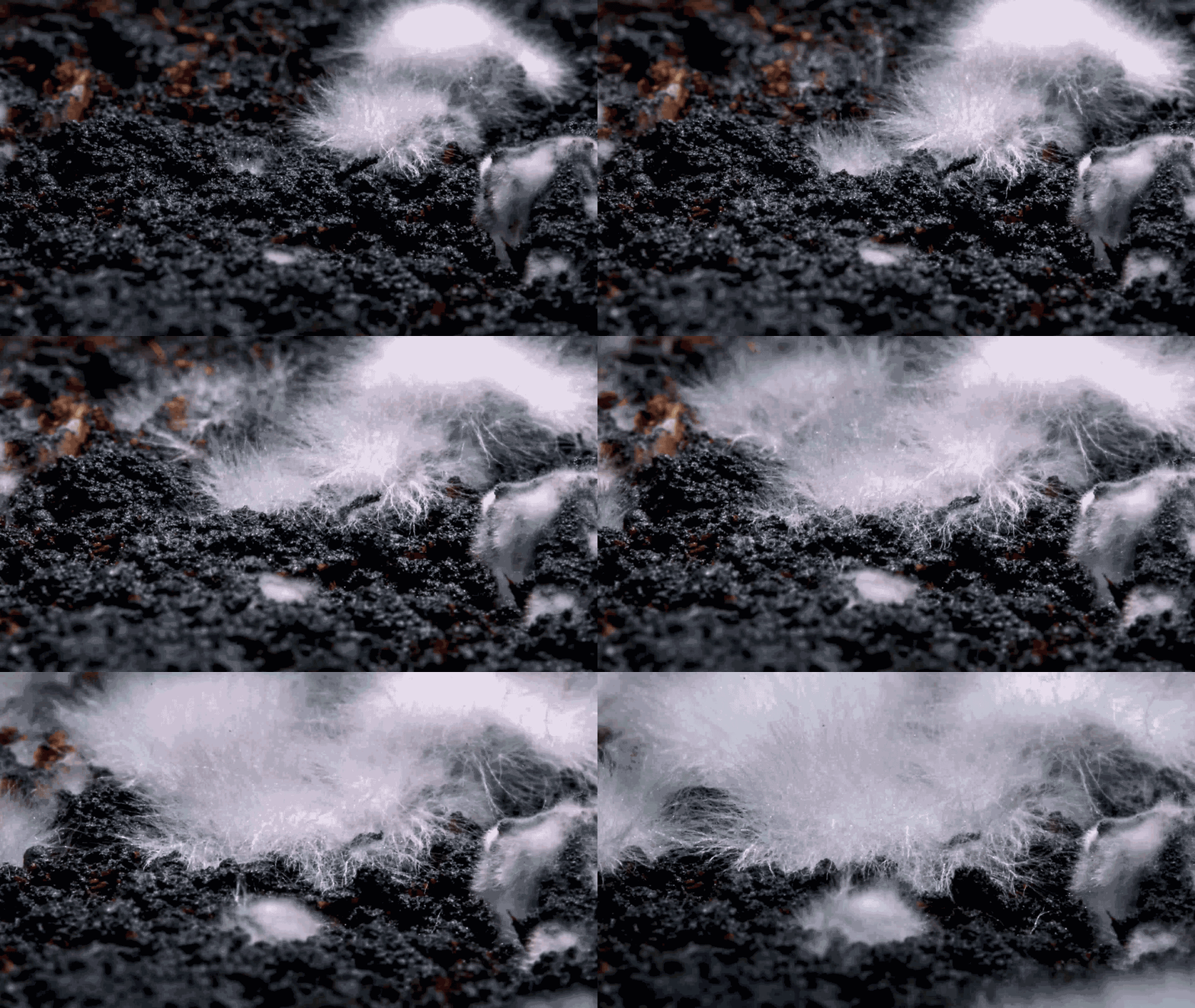
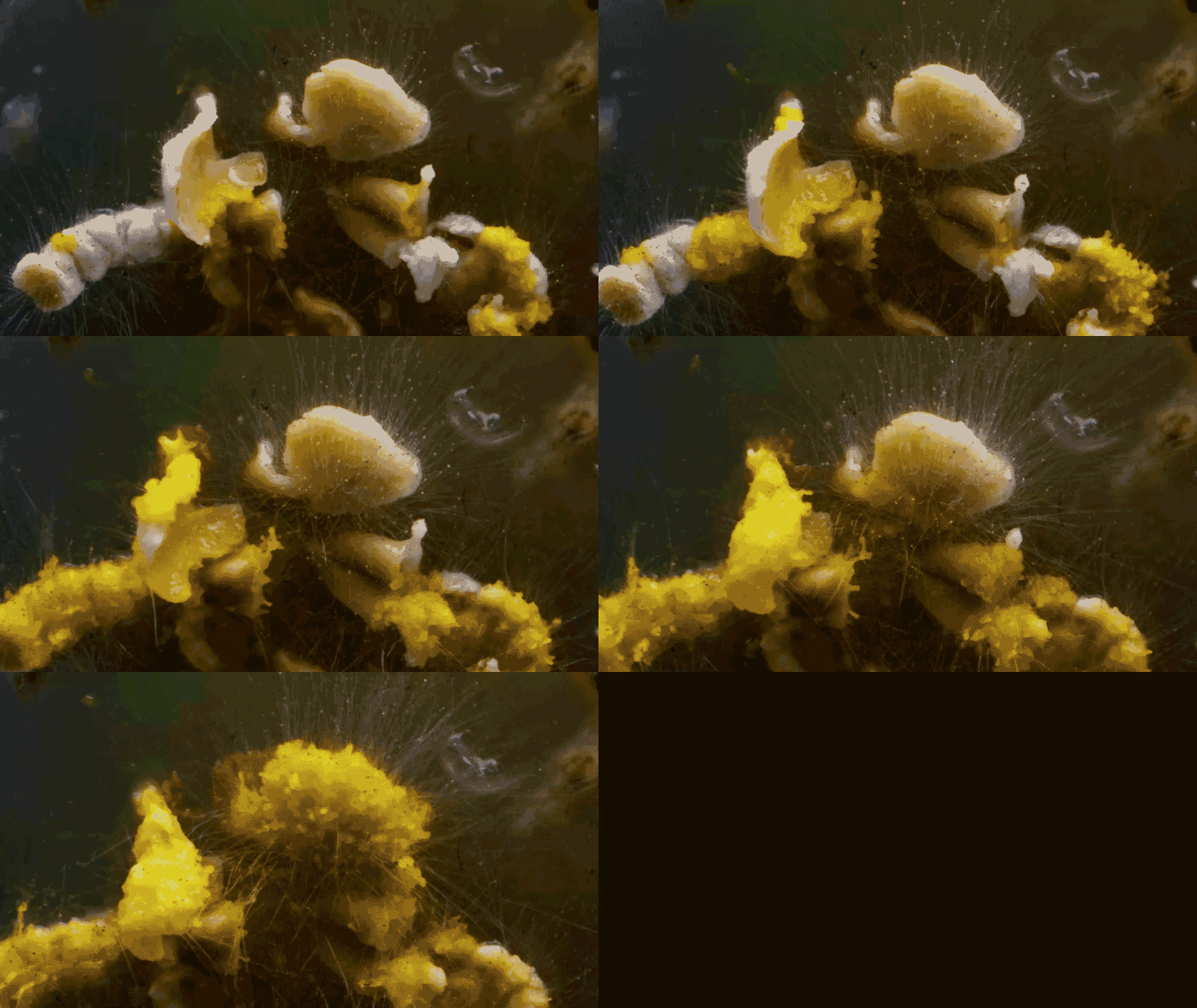
The whims of mother nature dealt us the odd poor hand as well as some happy coincidences, so flexibility was also key to capturing the best results given the organic subject.
At the mercy of rigid deadlines, careful planning was necessary to manage the filming schedule and shot list, ensuring all content was achievable and had room for contingency. The whims of mother nature dealt us the odd poor hand as well as some happy coincidences, so flexibility was also key to capturing the best results given the organic subject.
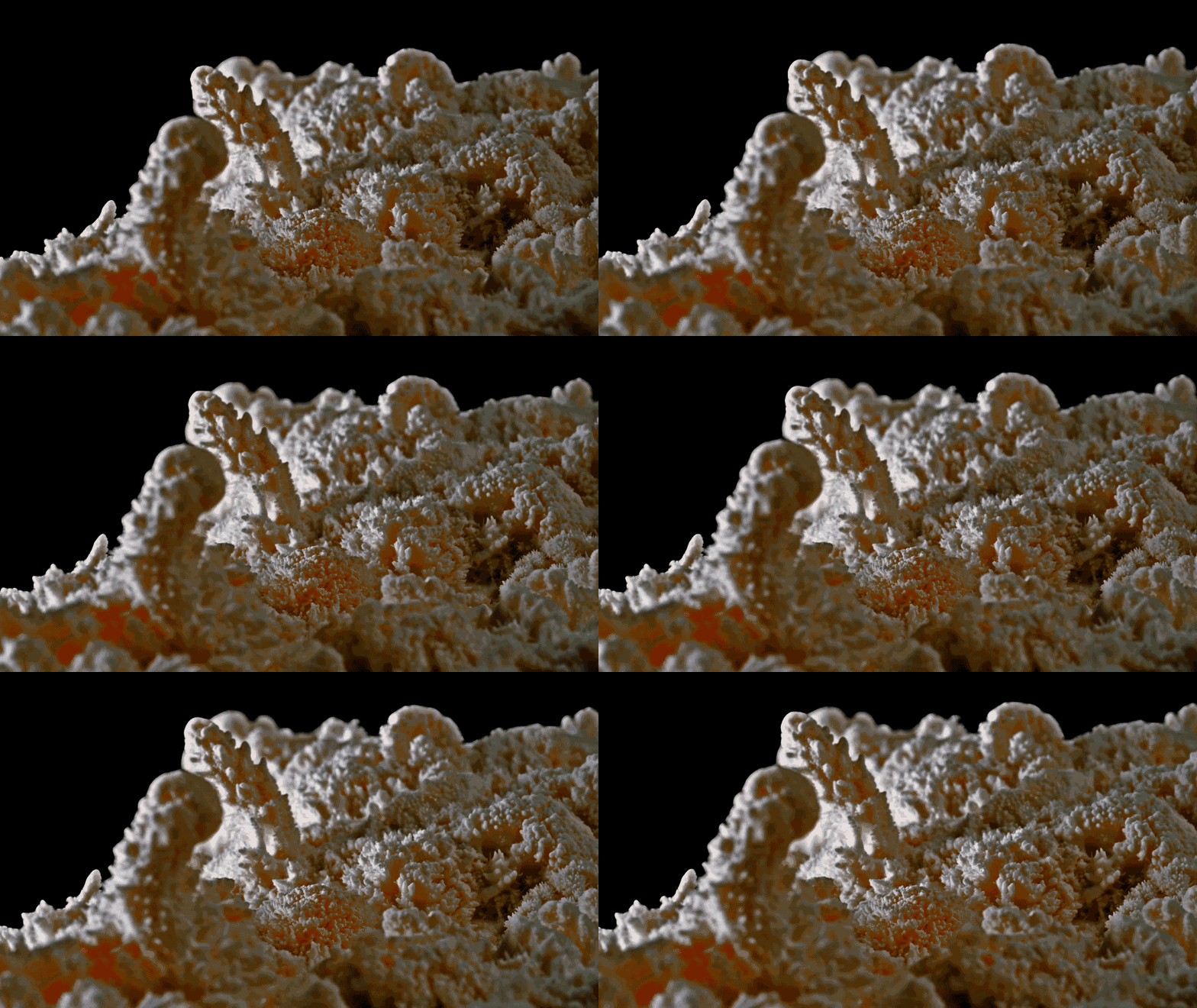

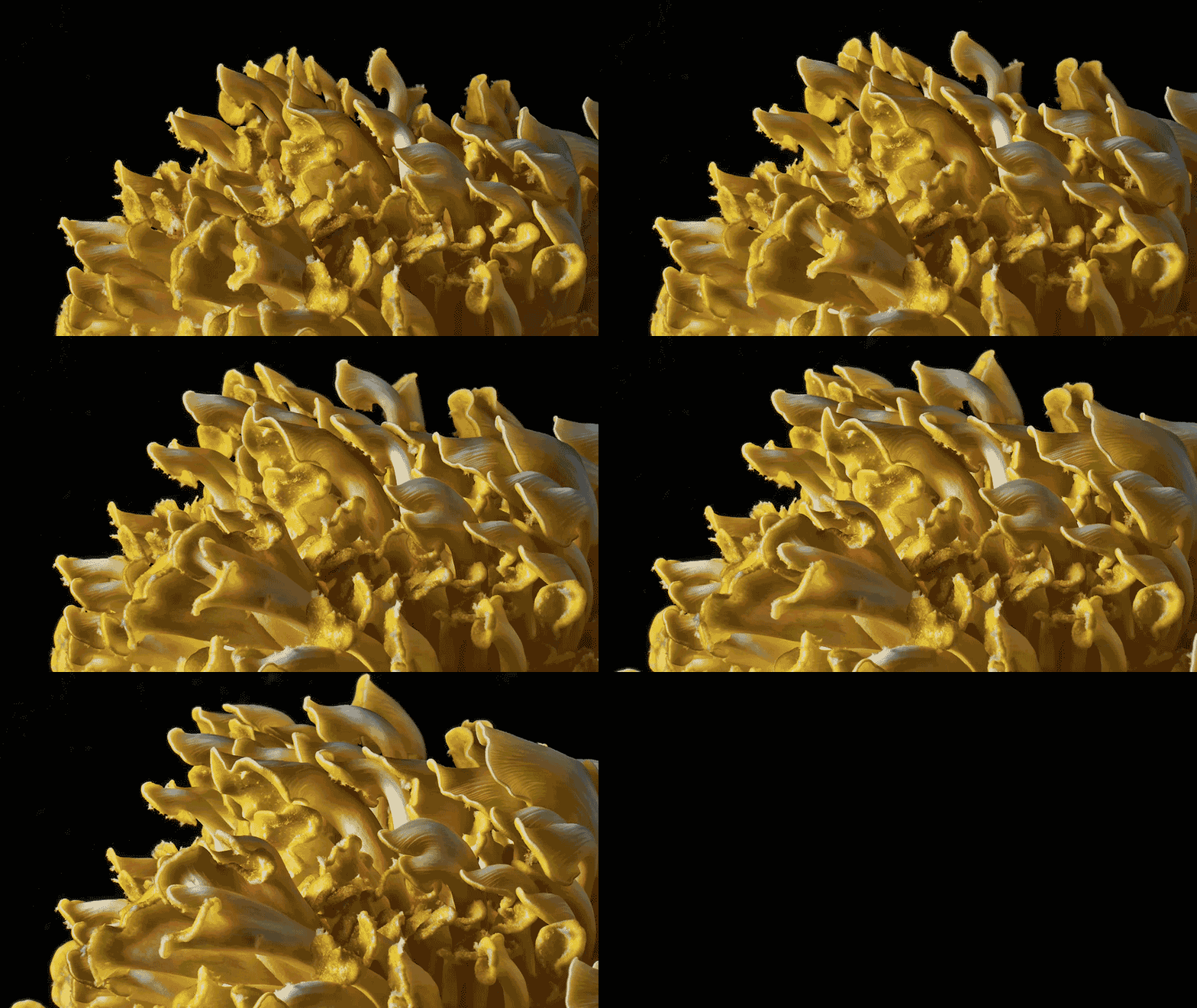
The Artistic Bit. (Studio.)
Our first opportunity to see all the elements together, we hosted Edelman and all the project’s contributors in our studio. Like an artefact from Indiana Jones, the character model was delivered shrouded in bubble wrap and clad in protective timber scaffolding. Unveiled, the result was striking: seven-foot tall, eerie and imposing.
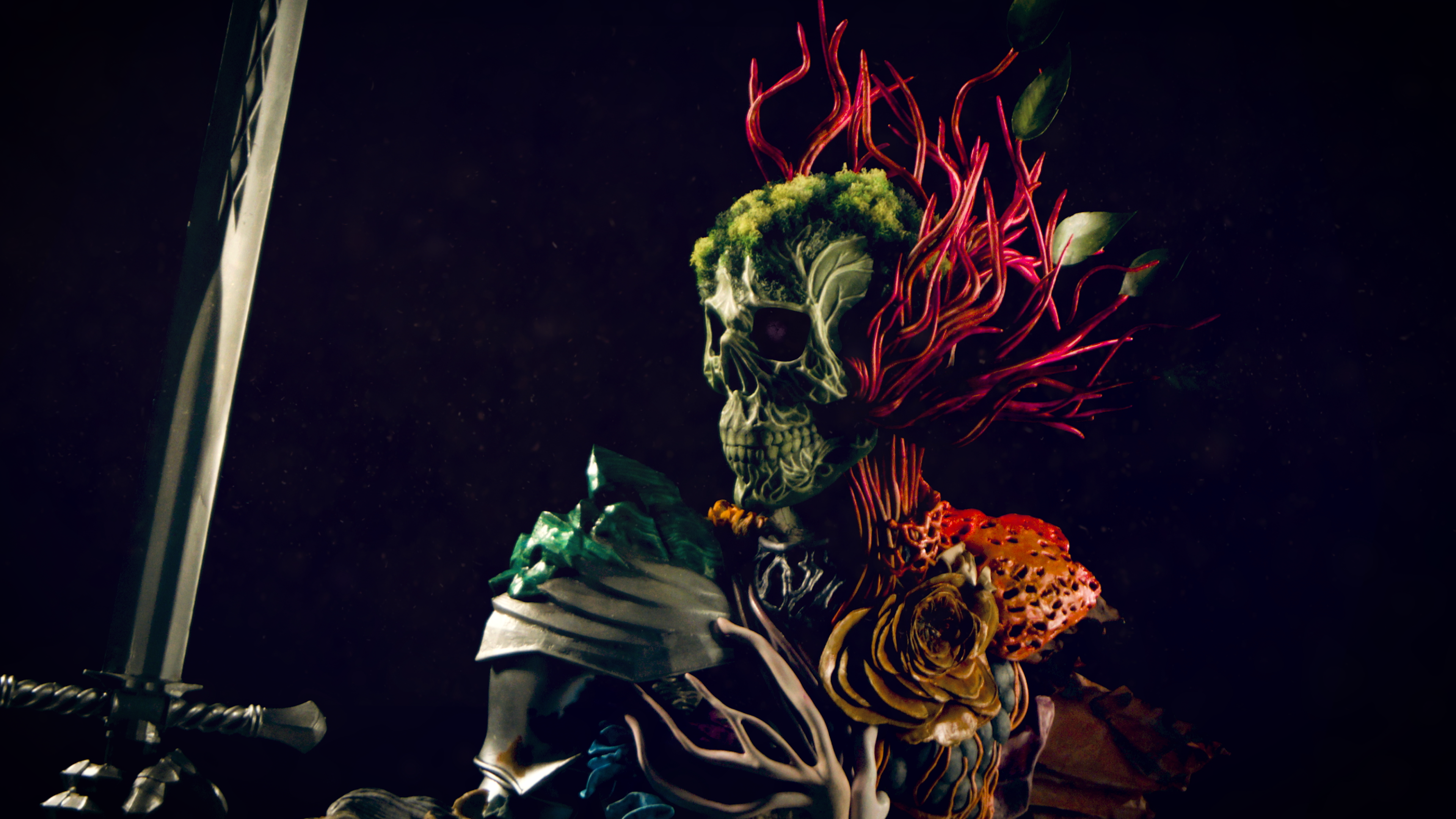
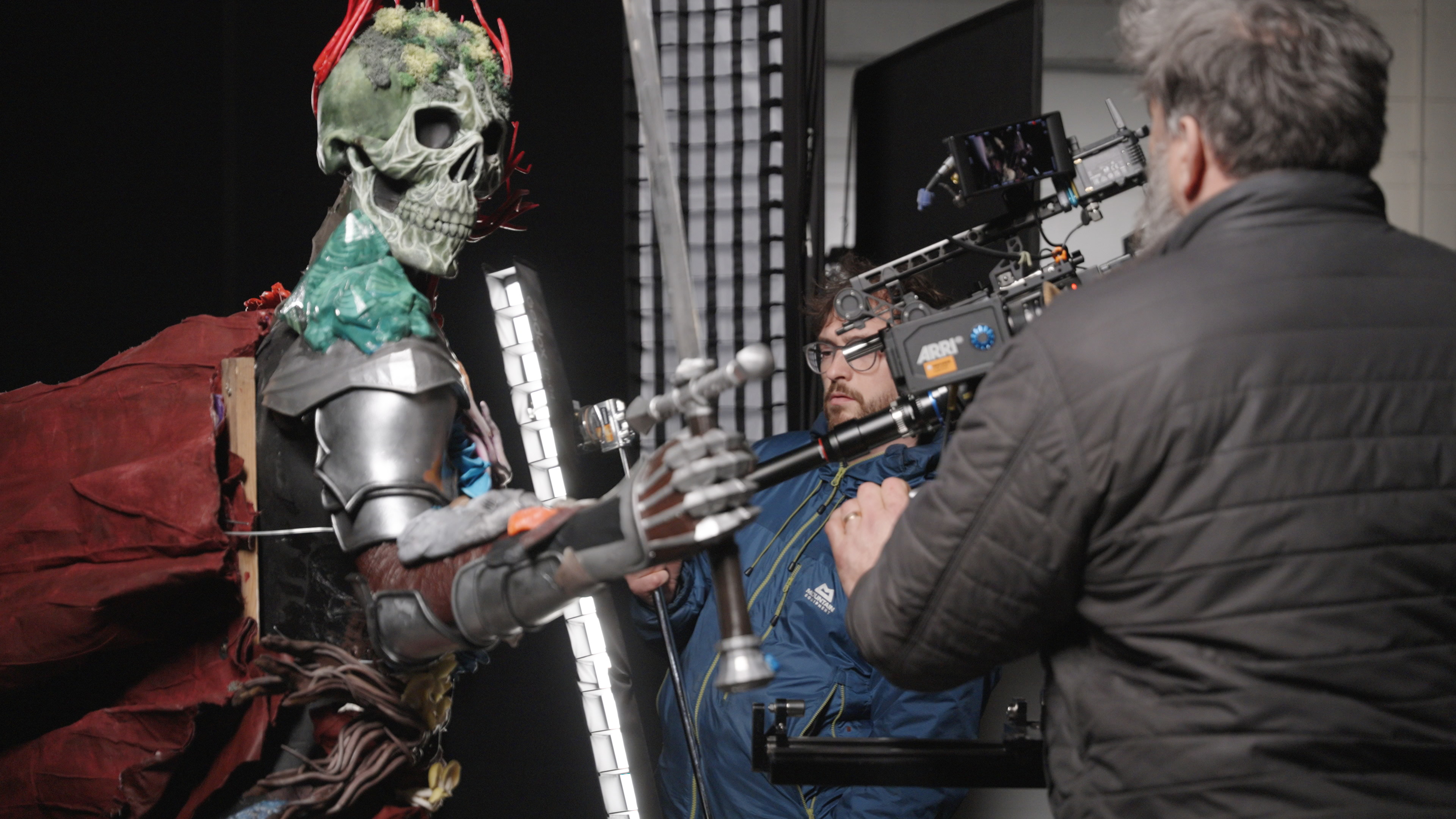
With our studio quick-changed from mushroom laboratory to black backdrop, all focus was on the final piece. We opted for sculptural lighting techniques, fixing them high and behind the subject to set its intricacies in sharp relief. Moving lights were also utilised to add further depth, with the camera being rigged to a dolly for the big-money shot: a smooth pull out from eye socket to full body. Shot on our Alexa 35, the content was strikingly cinematic. Additionally, use of our probe lens set forward the focal plane, literally drawing the viewer into the texture of the disease-riddled body.
The Real Bit. (Installation.)
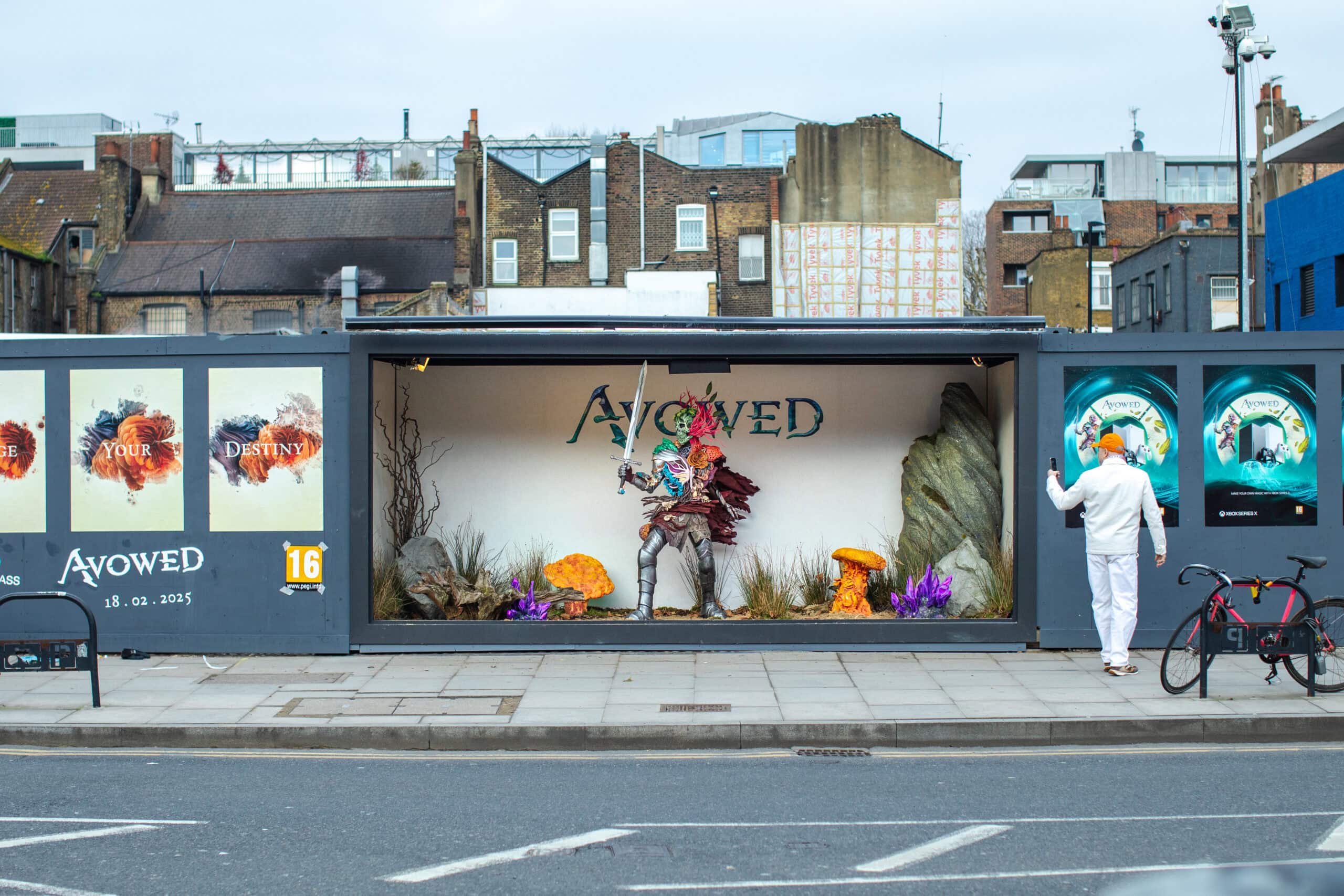
Two days before the game’s launch, our crew travelled to London, ready to film the final component for the edit: live installation. Created using a shipping container set into the hoarding, Shoreditch streetside transformed into a window to glimpse The Living Lands.
Gaining permission to film on the pavement, we packed light to minimise obstruction to pedestrian. Deploying only a single camera and gimbal, we scheduled time around the installation teams to capture the signed-off piece in smooth, sweeping shots. Obscured passersby emphasise the art’s immediacy, marking the five days it was live for viewing. This kept us in line with Edelman’s original vision of ‘realness,’ underlining the project’s engagement with the public as a live art piece.
Filmed the day before our overall deadline, the race was on to return to HQ, ingest overnight to turnaround the final edit next day.
The Last Bit. (Post-Production.)
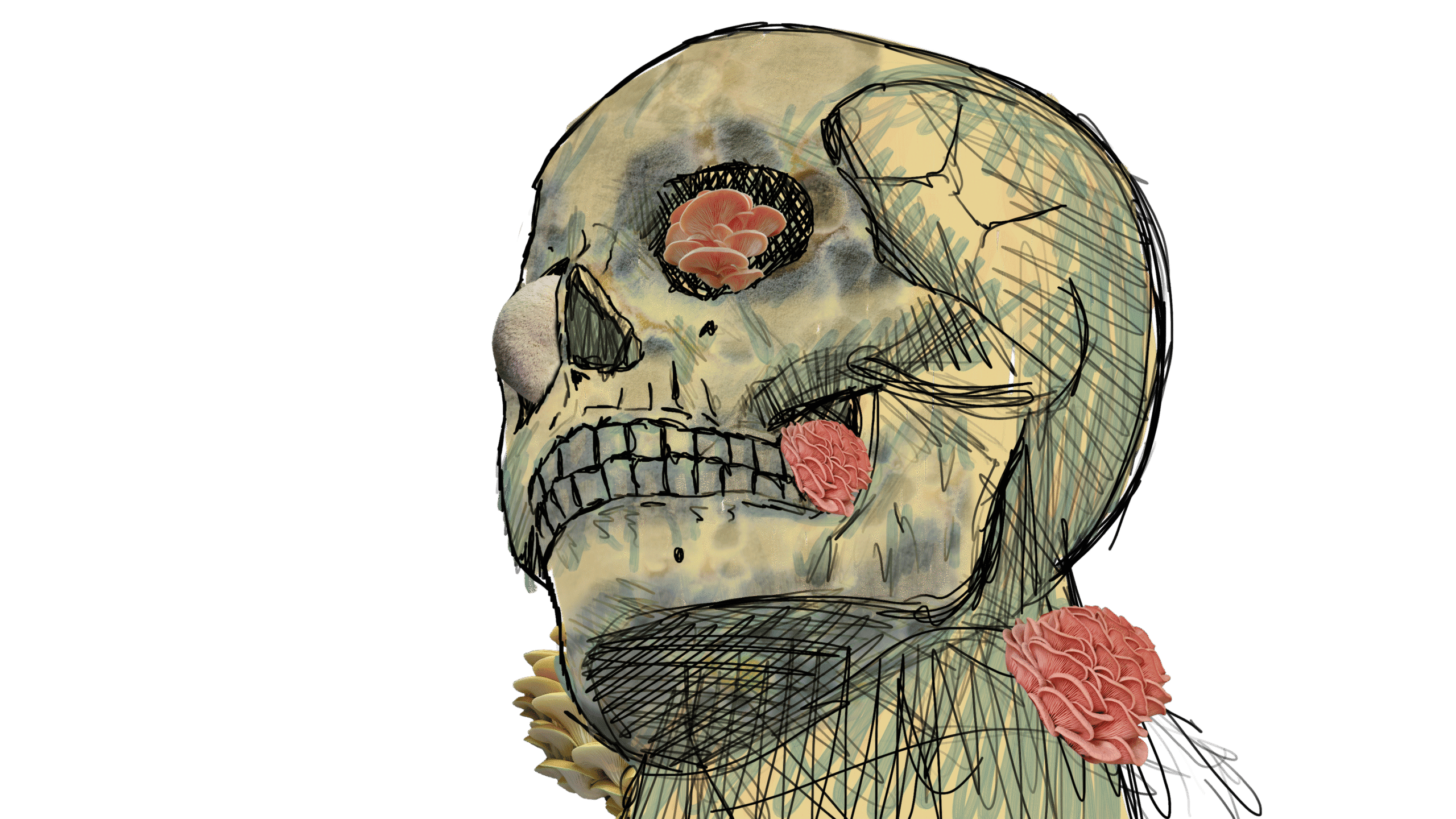
Bringing it all together, post-production carried responsibility of knitting time-lapse, studio and on-location filming into a cohesive final film. Not just ‘the last bit’ in this case, our in-house editors laboured alongside the film crew for the duration of the project, working through animatics, interim edits and style frames to align the creative concept with the final video output.
In the time-lapse stage, a well-oiled process of ingestion and formatting was required to regularly pull media from the five stills cameras and stay up-to-date with the growing process. As well as allowing initial time-lapse content to be built into the draft edits, this system also allowed us to monitor the fungi growth and adjust accordingly the filming schedule to capture the best growth from each species.
When it came to colour-grading, our editor augmented the natural hues of the fungi and mould, for a more fantastical feel in-keeping with the game’s setting. Pink oyster mushrooms acquired a toxic lilac tint and the watery yellows were strengthened for an unearthly sallow look.
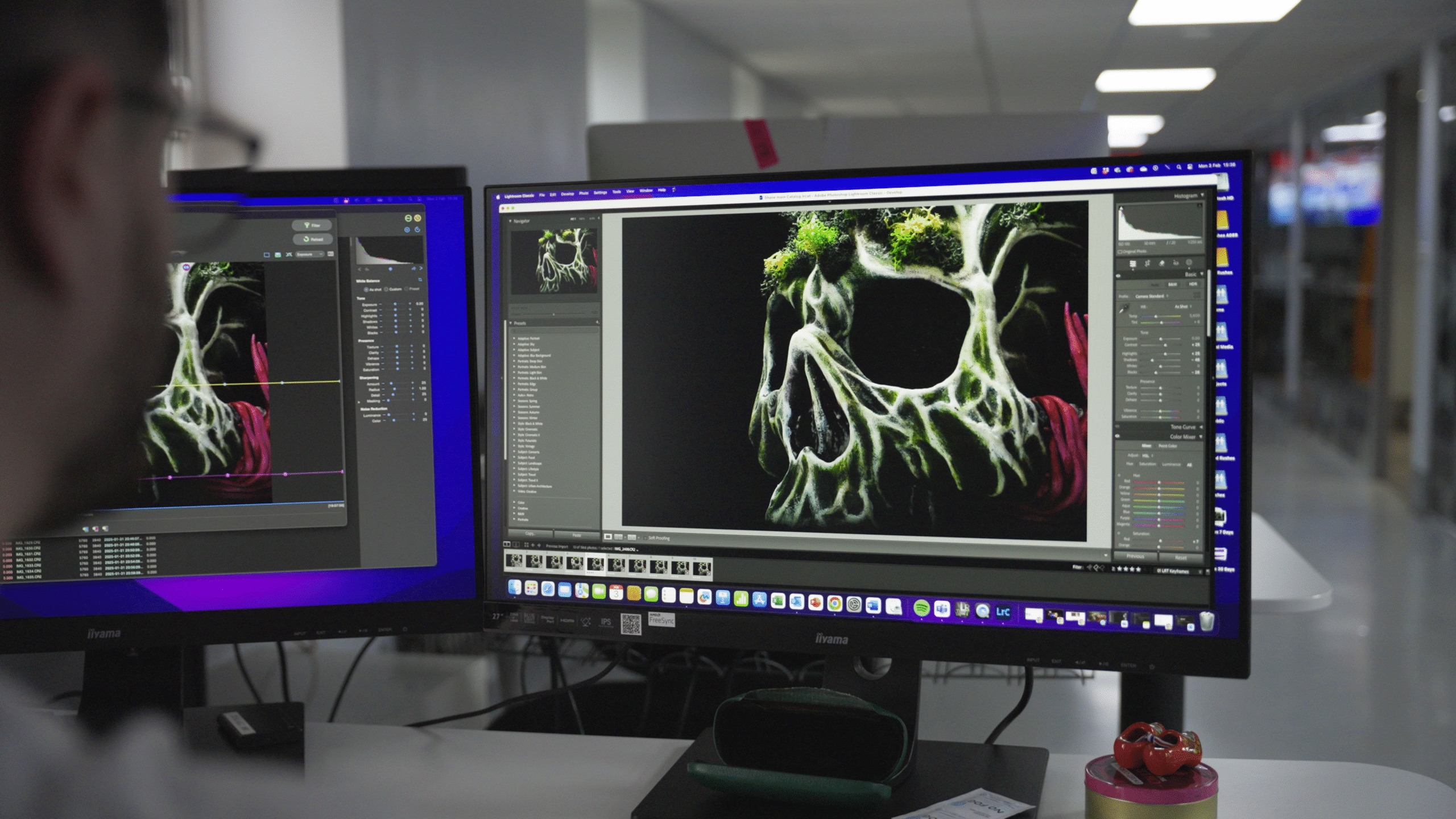
As well as the hard deadline overall, our editors worked to meet several interim deadlines and operate a tight turnaround on feedback to amend and incorporate developments from the creative team. This continued collaboration not only informed filming, but shaped the deliverables right up to the deadline. After the last push to ingest and add footage of the installation, final feedback was received and tweaks made accordingly before the signed-off edit was sent off for a last pass from sound design. And voila!
From studio to Shoreditch, the project was about bringing the Dream Scourge to life: real, immediate and tactile. In an edit designed to pull in audiences and leave them reeling, the unsettling time-lapse, other-worldly studio content and the grand on-location reveal all demonstrate how far the concept came, and – for those of us who know – tell the story of an even bigger journey behind the scenes.
Have we lured you in? Watch the full edit here.
We thoroughly enjoyed working with Creative Giants, Dominic Downing, Jamute, and their teams, as the many hands that contributed to the stunning final film and live installation.